Care Continues in Galápagos
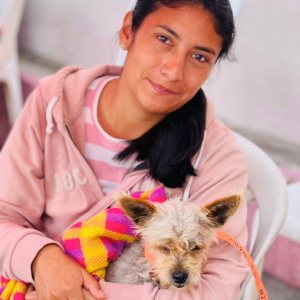
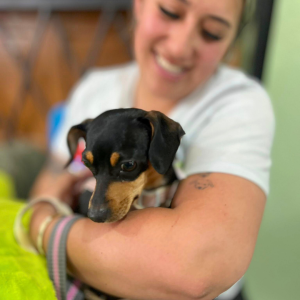
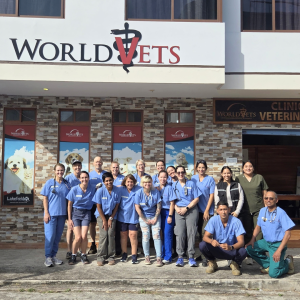
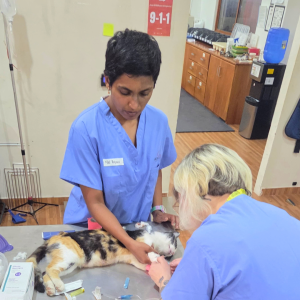
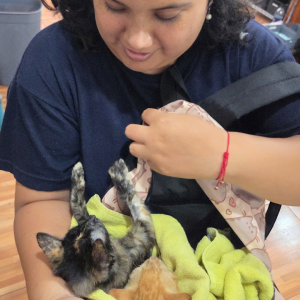
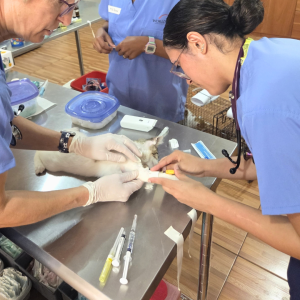
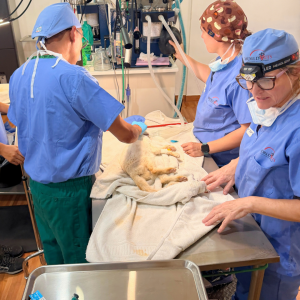
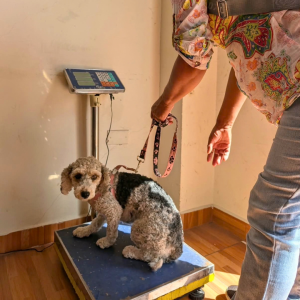
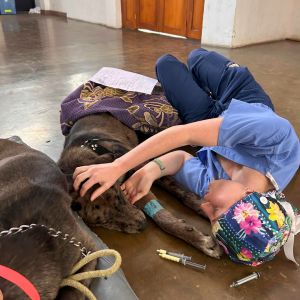
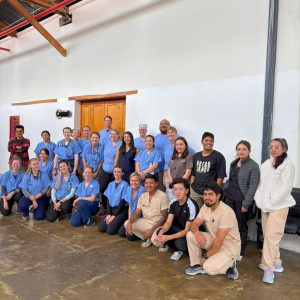
 World Vets recently completed another successful spay/neuter campaign on San Cristóbal Island in the Galápagos, sterilizing 122 pets and providing 8 additional surgeries and 17 health consultations. The campaign brought together World Vets international veterinary volunteers and our dedicated team of Galápagos-born veterinary professionals, working side by side to provide accessible veterinary care to local families and their pets.
International volunteer support plays an important role in expanding the capacity of World Vets’ year-round veterinary clinic on San Cristóbal. By bringing additional veterinary professionals and surgical support to the island during intensive campaigns, World Vets is able to reach more animals while strengthening and supporting the work of our local veterinary team. This ongoing model helps provide consistent access to preventive, surgical, and medical care throughout the year.
World Vets is grateful to the GAD Municipal de San Cristóbal Galápagos, our valued local partner, for helping make these efforts possible. We also extend our sincere thanks to the donors, supporters, volunteers, and partners who make continued veterinary care in the Galápagos and around the world possible. If you would like to support this work and help improve the lives of animals in the Galápagos and communities around the world, we invite you to give online or send a check to our headquarters at 9711 18th Ave NW, Gig Harbor, WA 98332. Together, we can continue improving the health and well-being of animals and the communities that care for them..
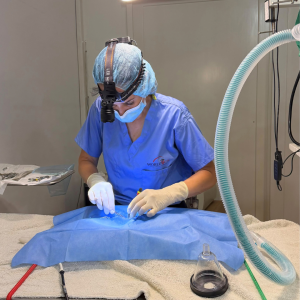
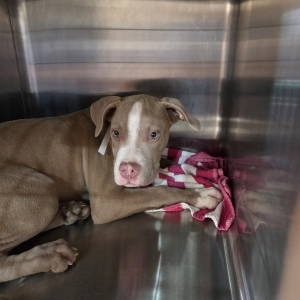
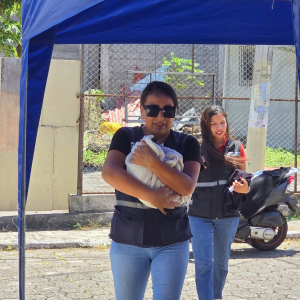
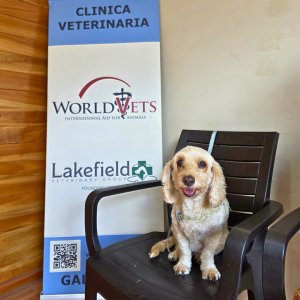
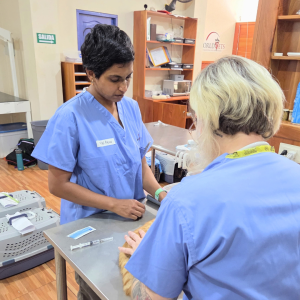
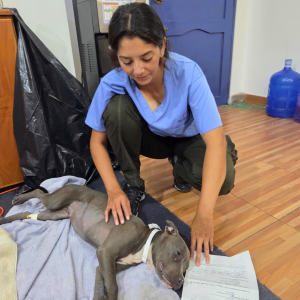
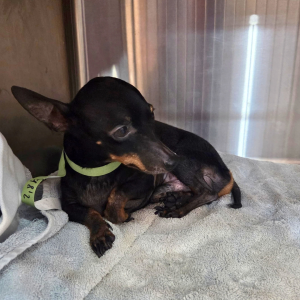
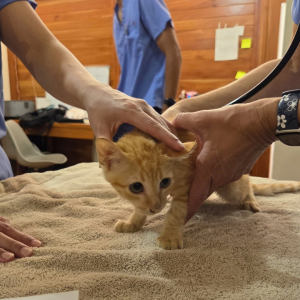
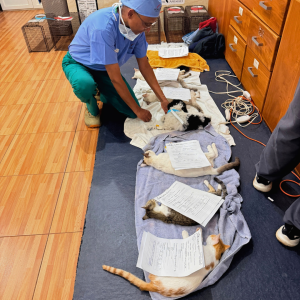
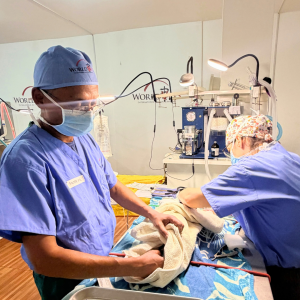
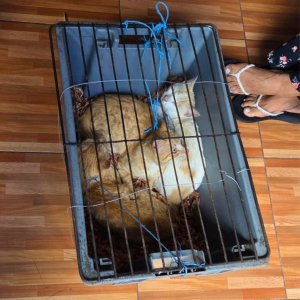
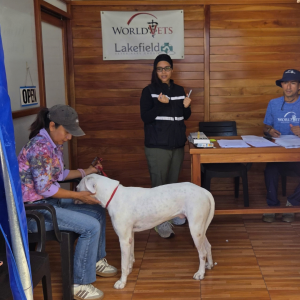
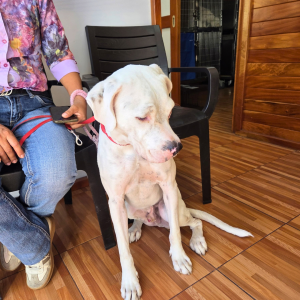
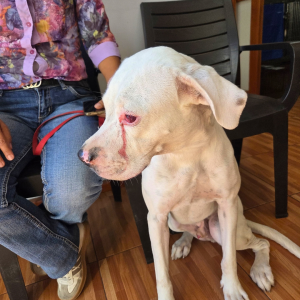
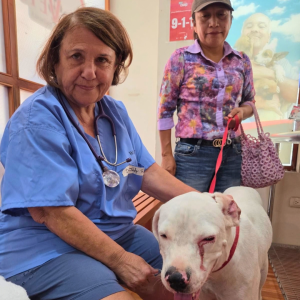
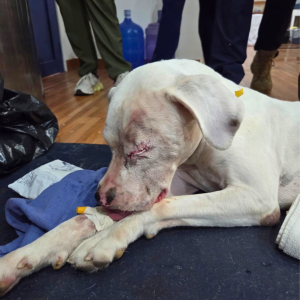
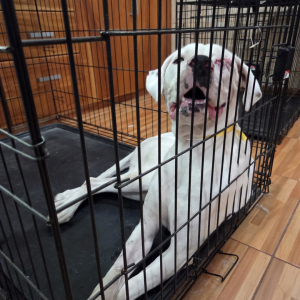
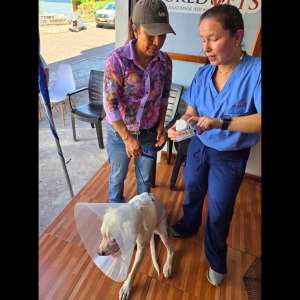
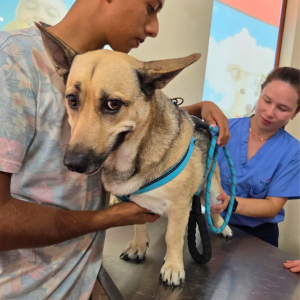
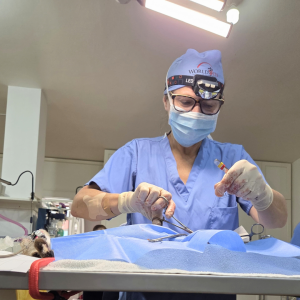
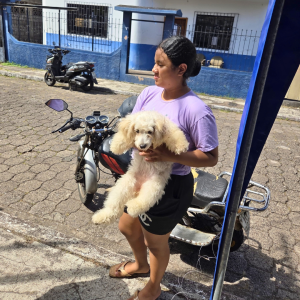
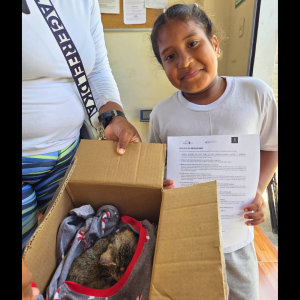
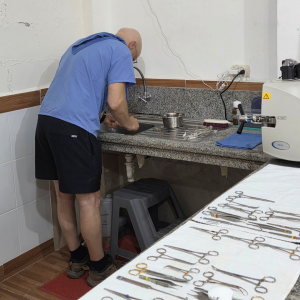
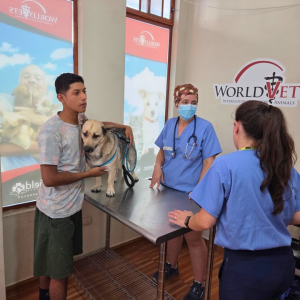
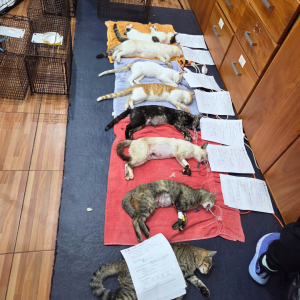
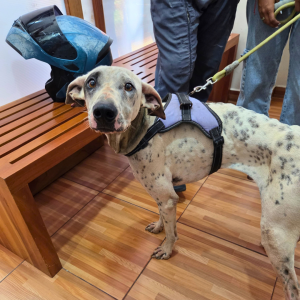
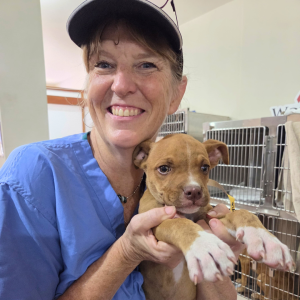
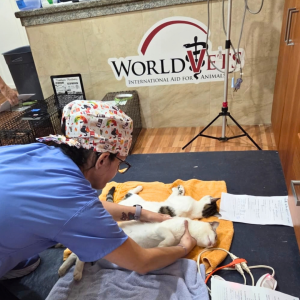
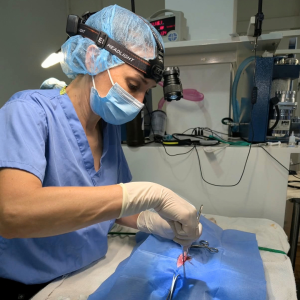
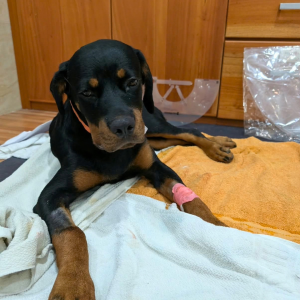
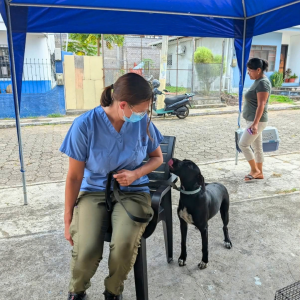
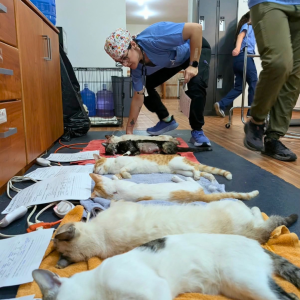
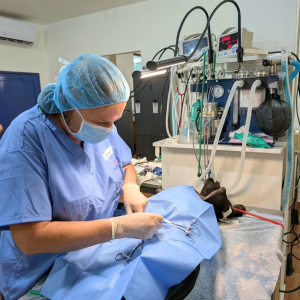
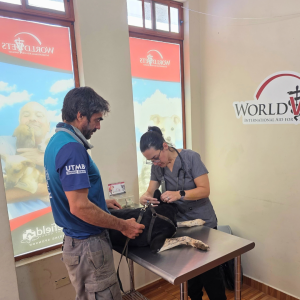
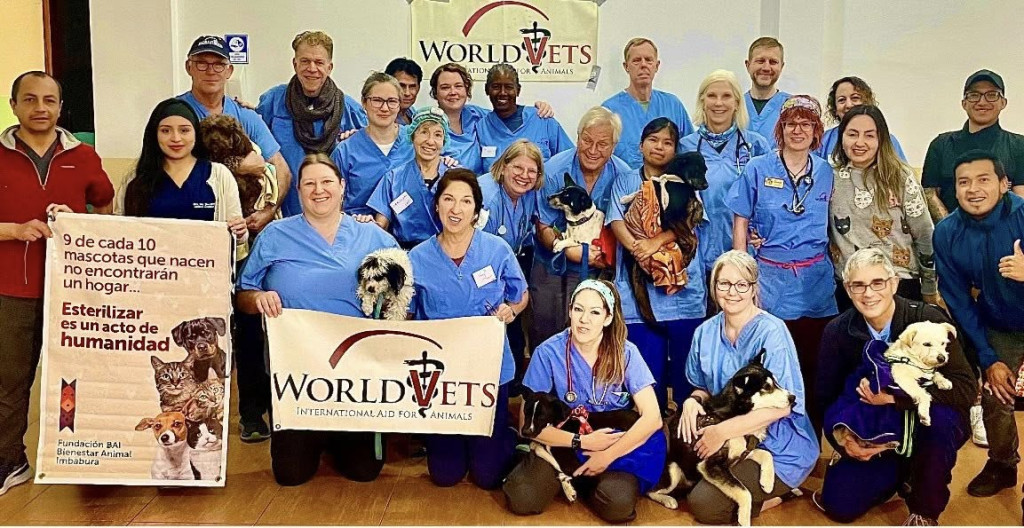
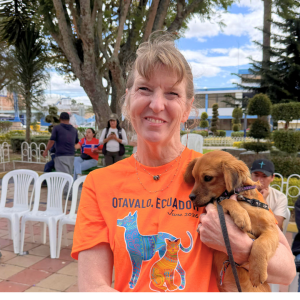
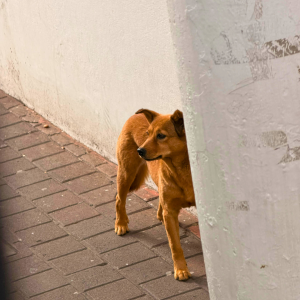
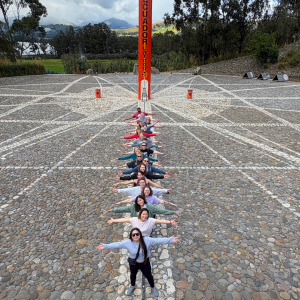
 World Vets volunteers recently traveled to Otavalo, Ecuador, to provide 271 sterilization surgeries for local dogs and cats, including both owned pets and unowned street animals. Working alongside long-time partner Bienestar Animal Imbabura (BAI), the team provided essential veterinary care while supporting responsible pet ownership and improving animal welfare throughout the community.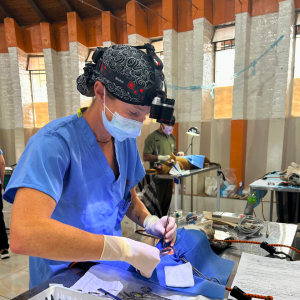
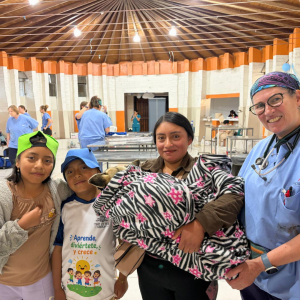
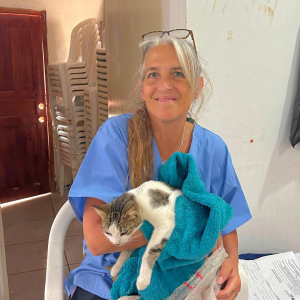
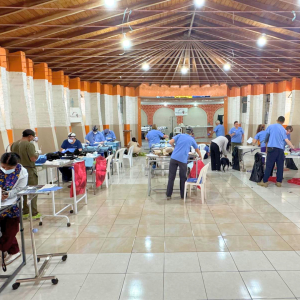
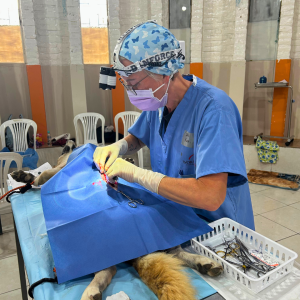
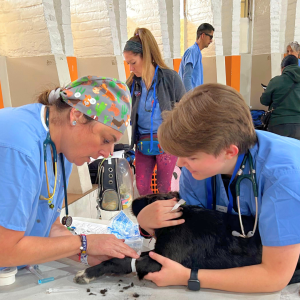
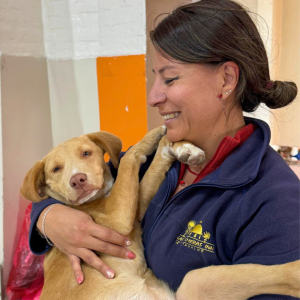
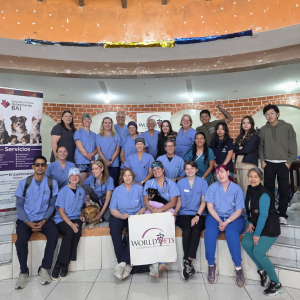
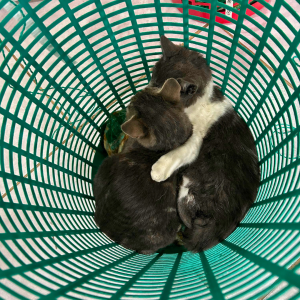
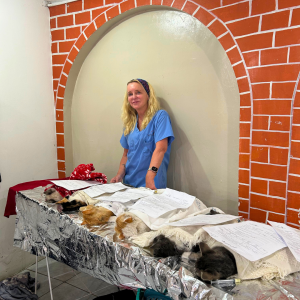
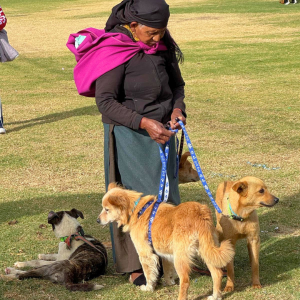
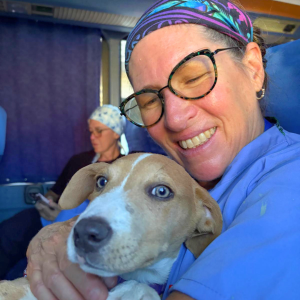
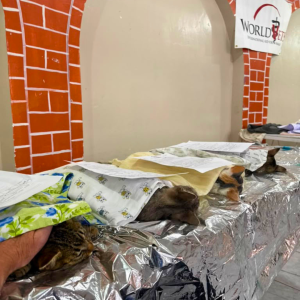
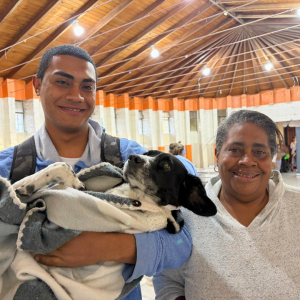
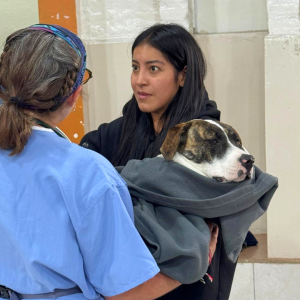
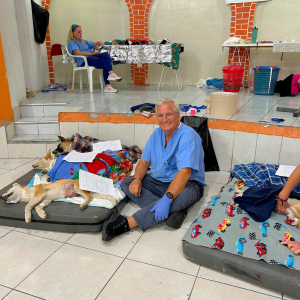
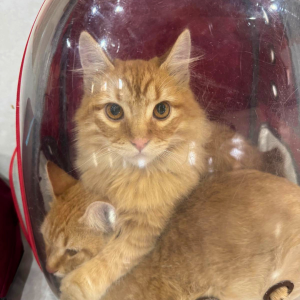
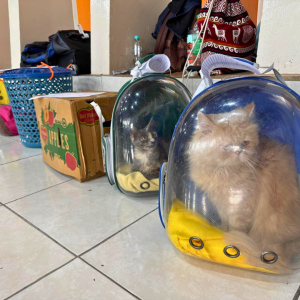
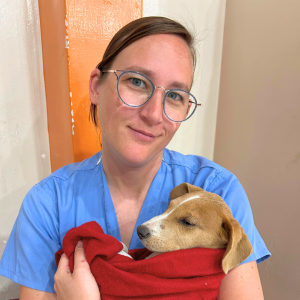
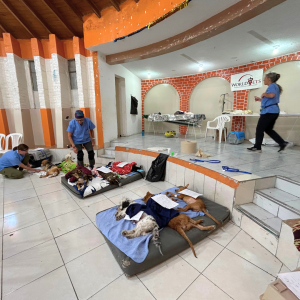
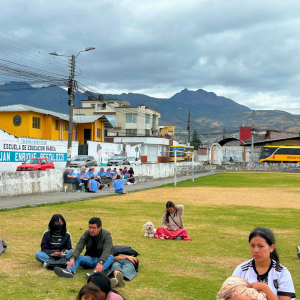
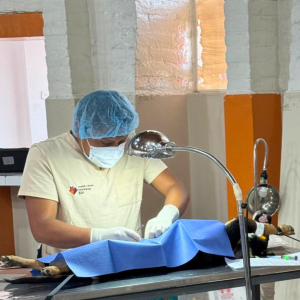
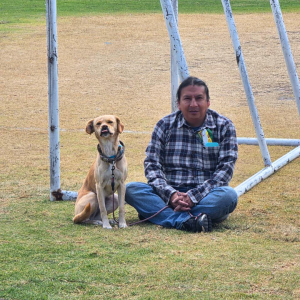
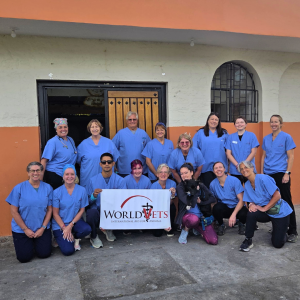
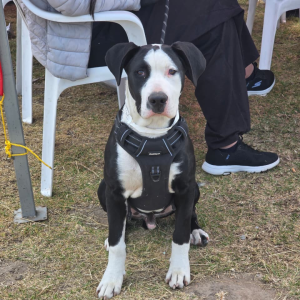
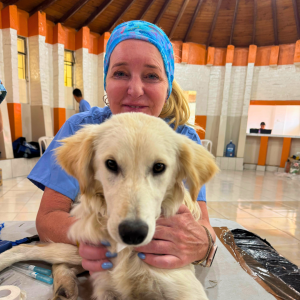
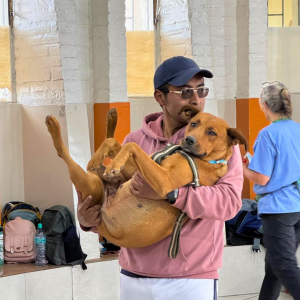
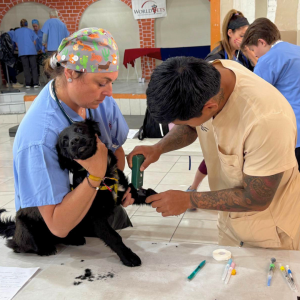
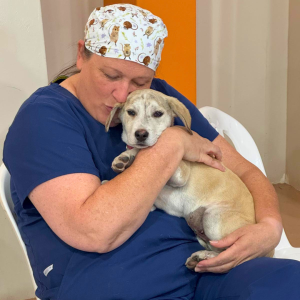
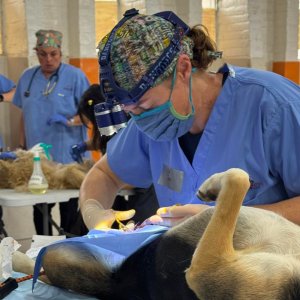
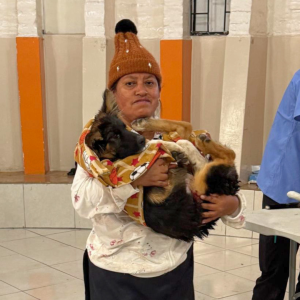
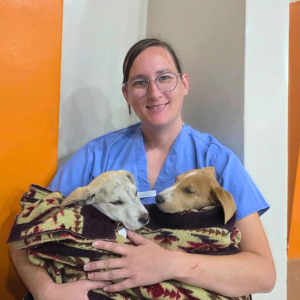
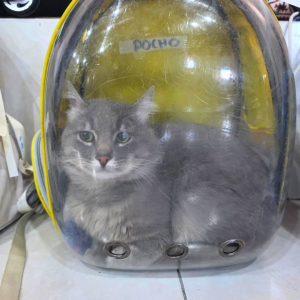
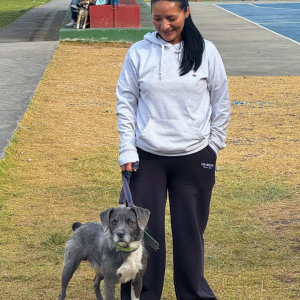
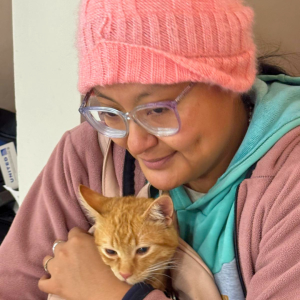
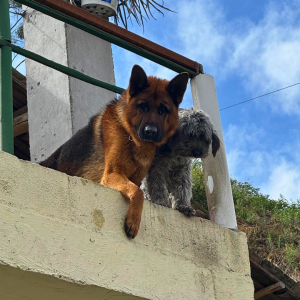
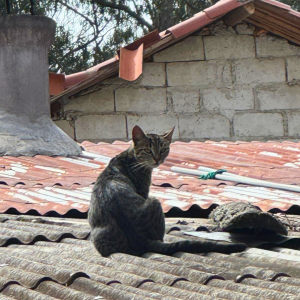
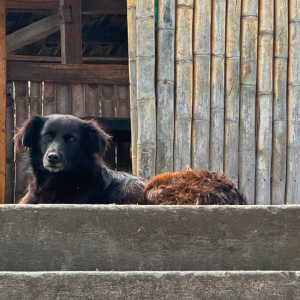
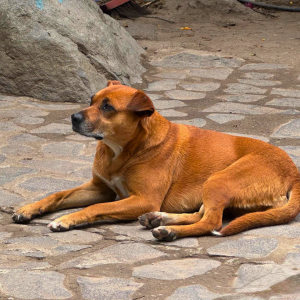
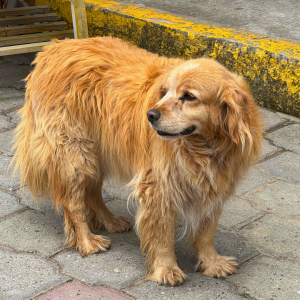
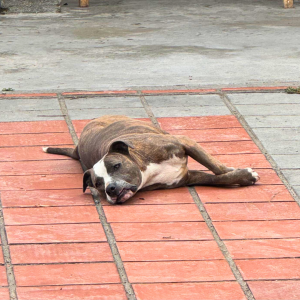
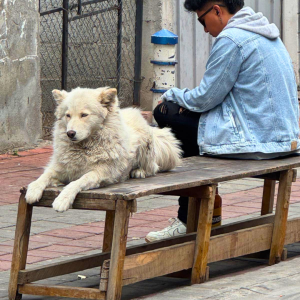
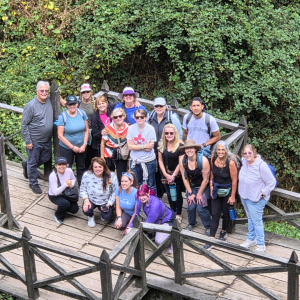
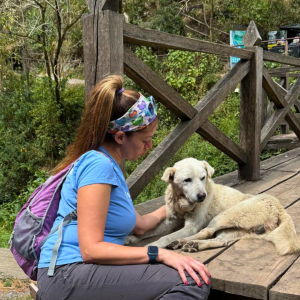
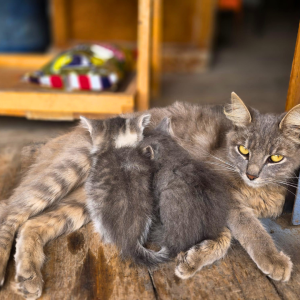
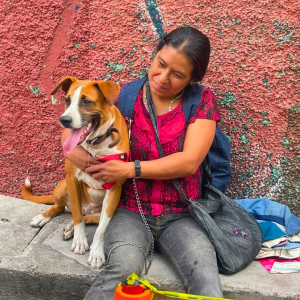 In just three days, the World Vets volunteer team completed 357 spay and neuter surgeries during our latest campaign in the community of San Miguel Dueñas, Guatemala, helping improve the lives of hundreds of animals and the people who care for them.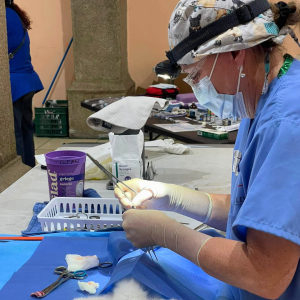
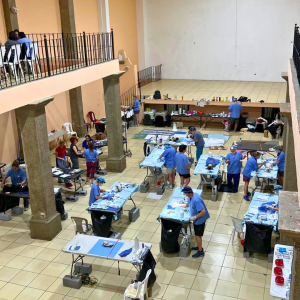
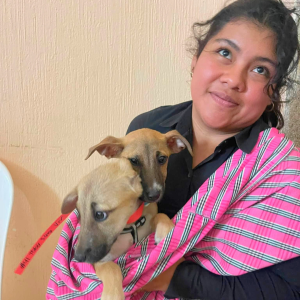
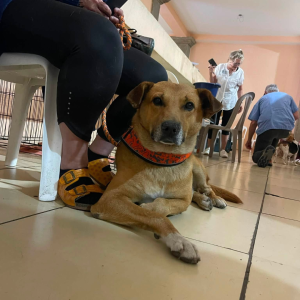
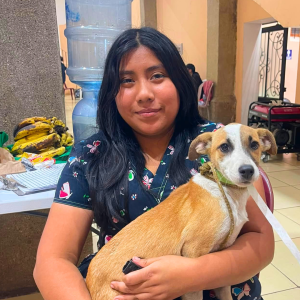
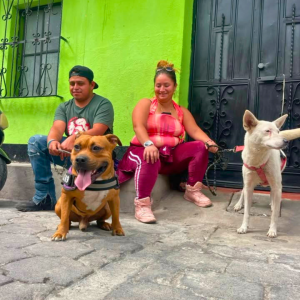
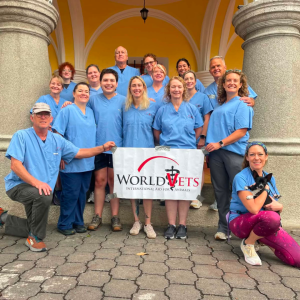
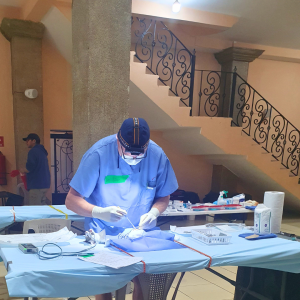
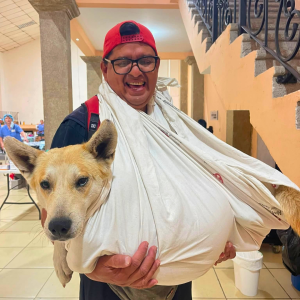
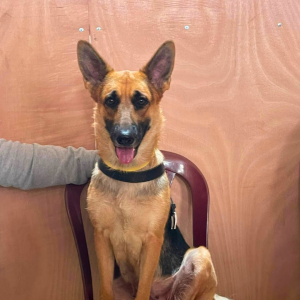
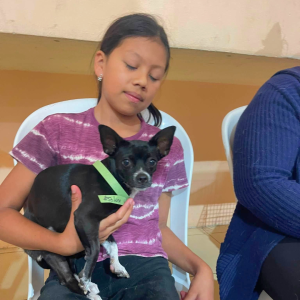
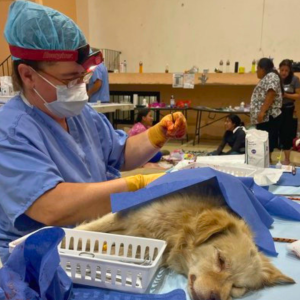
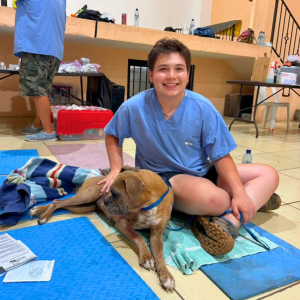
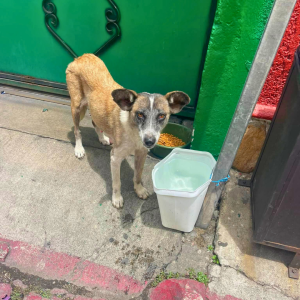
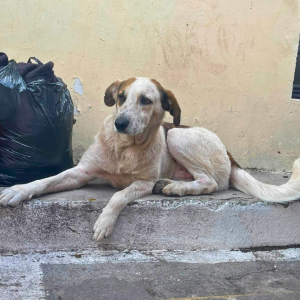
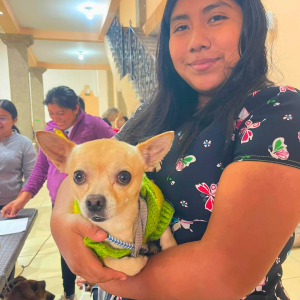
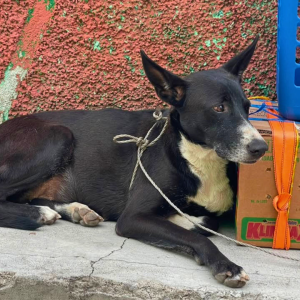
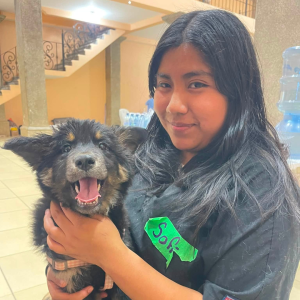
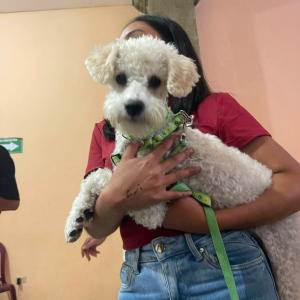
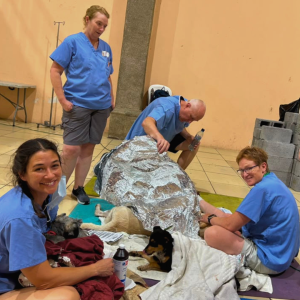
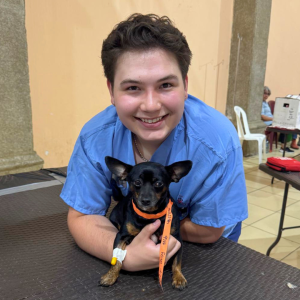
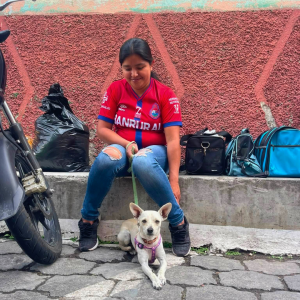
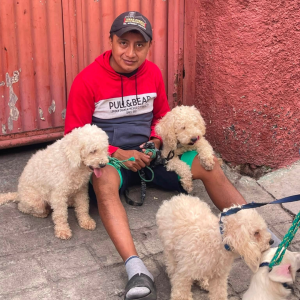
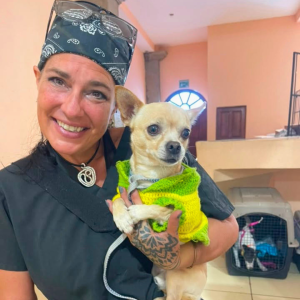
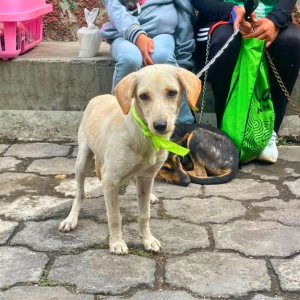
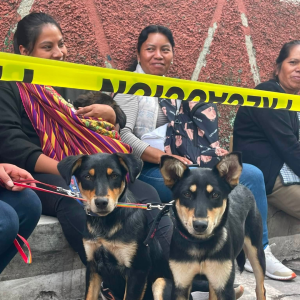
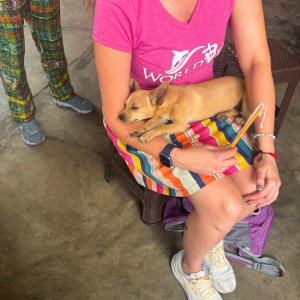
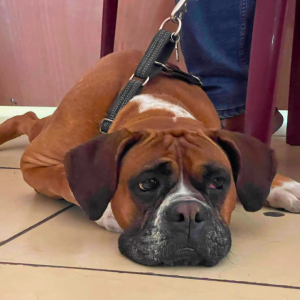
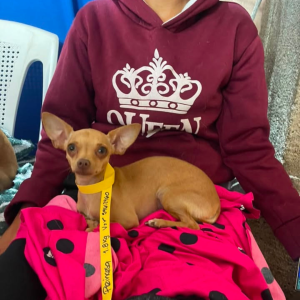
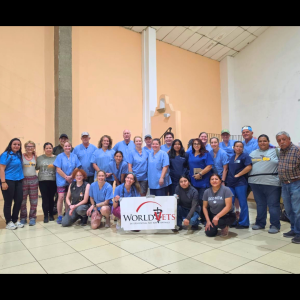
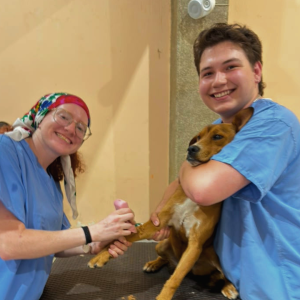
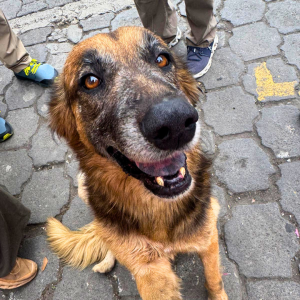
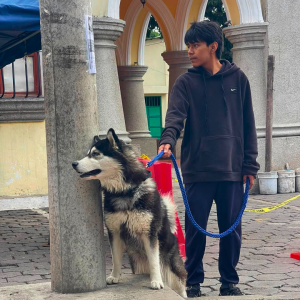
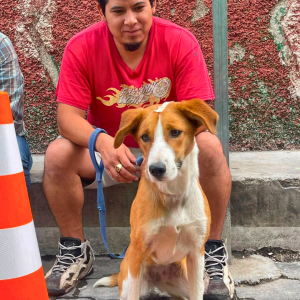
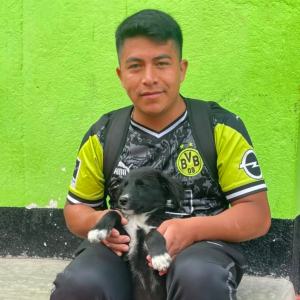
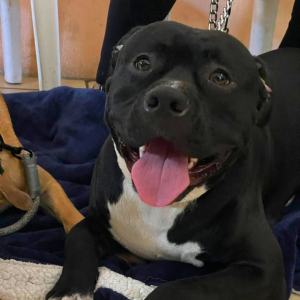
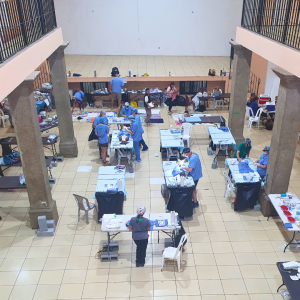
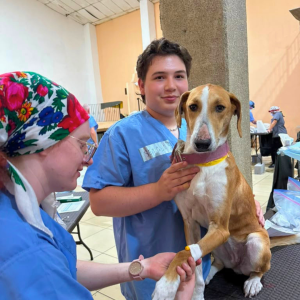
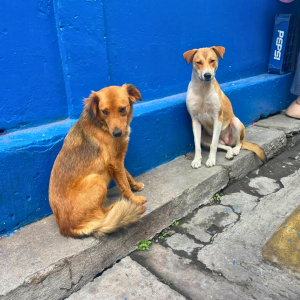
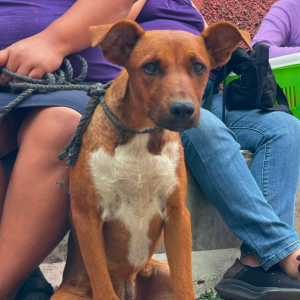
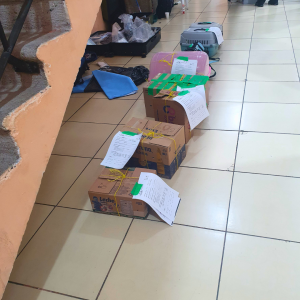
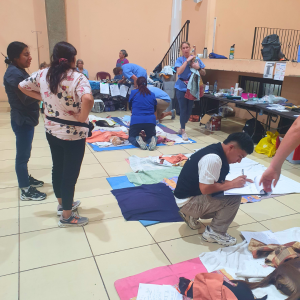
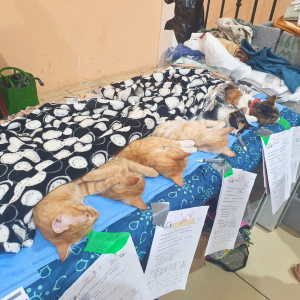
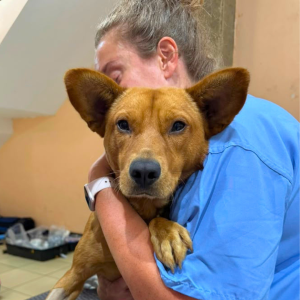
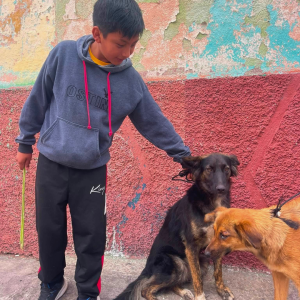
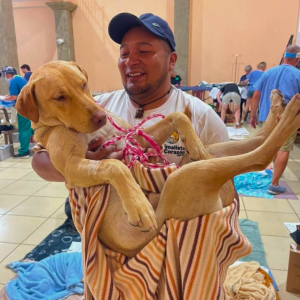
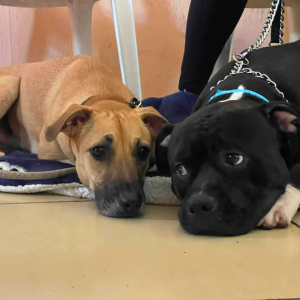
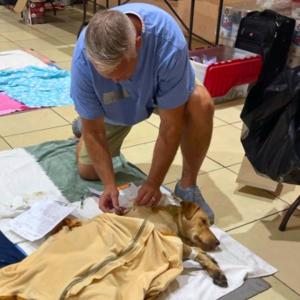
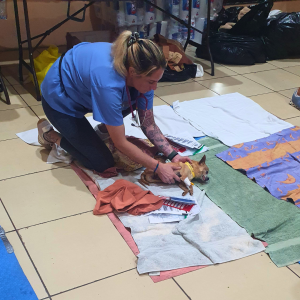

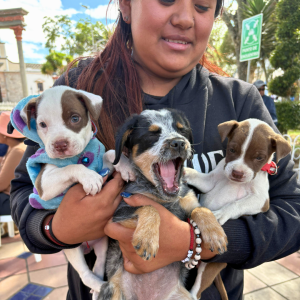
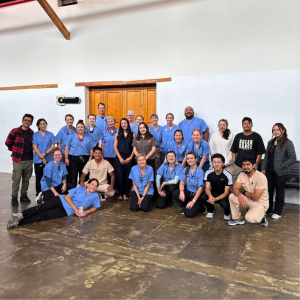

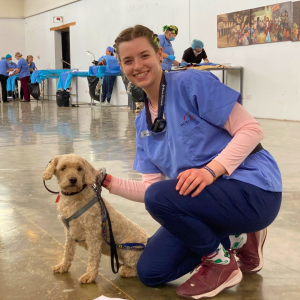
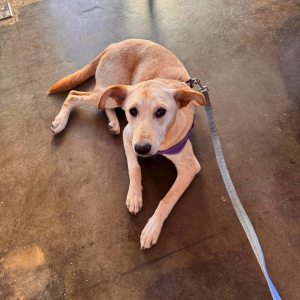

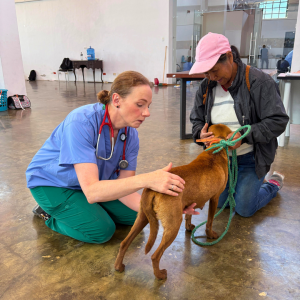
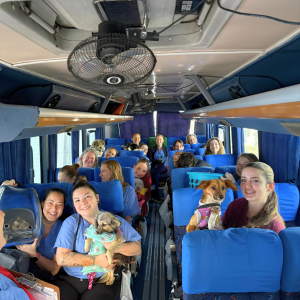
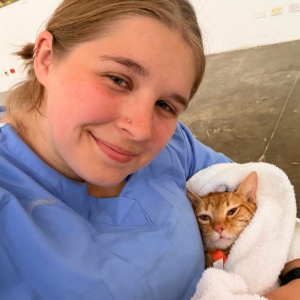
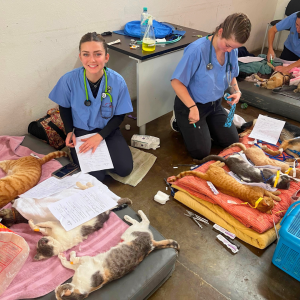
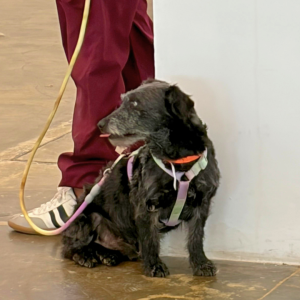
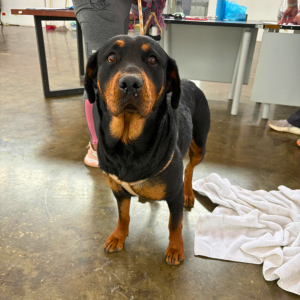
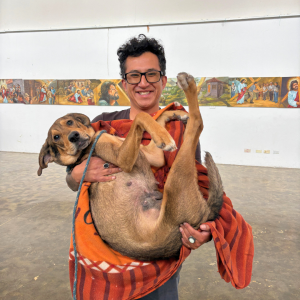
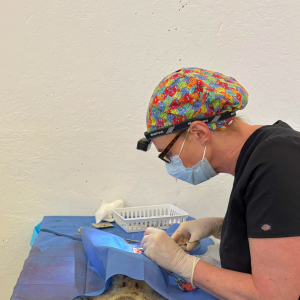
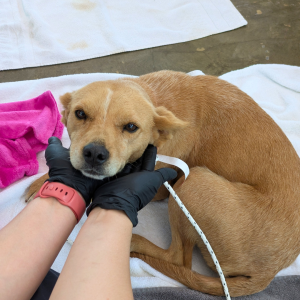
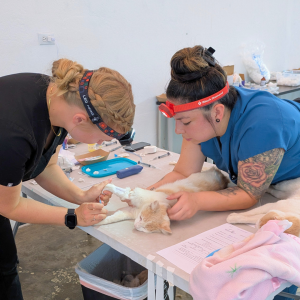
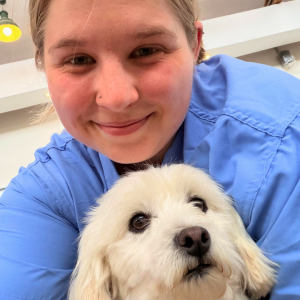
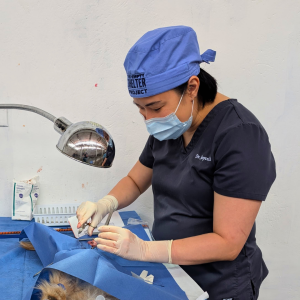

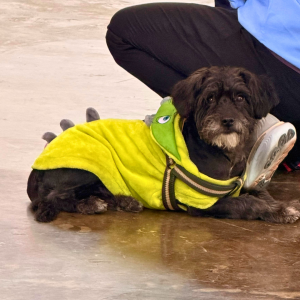

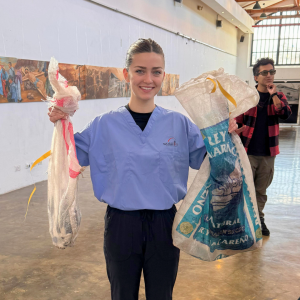
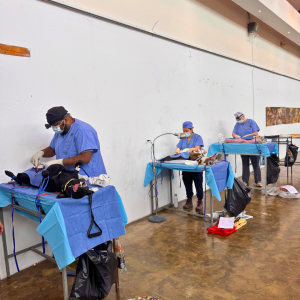
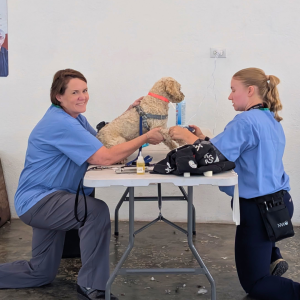
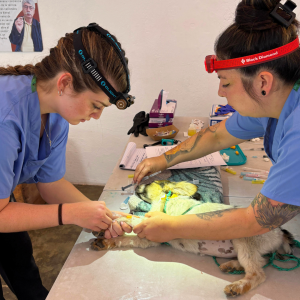
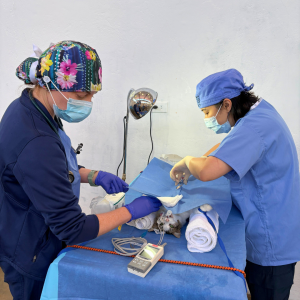

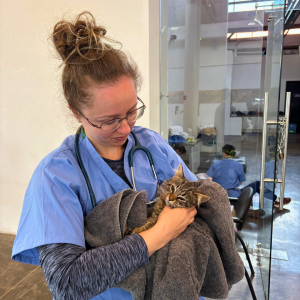
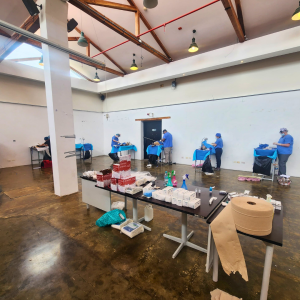
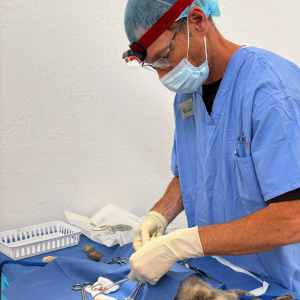


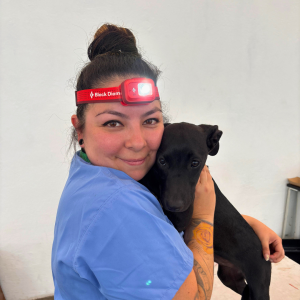

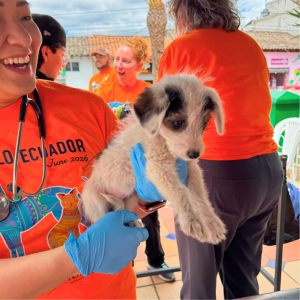
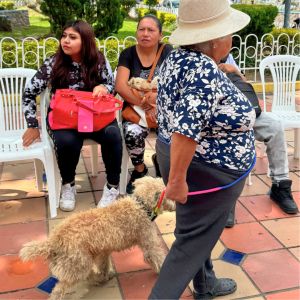
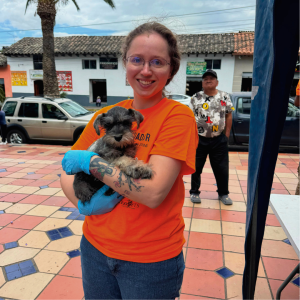
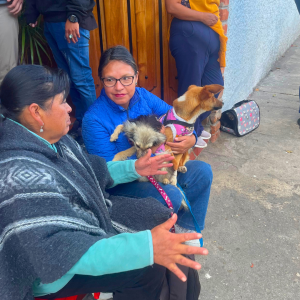
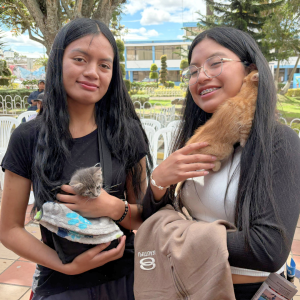
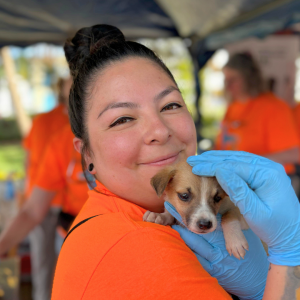
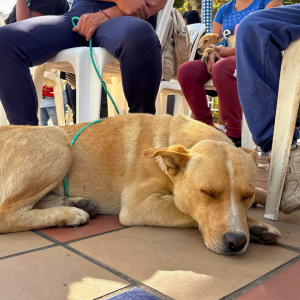
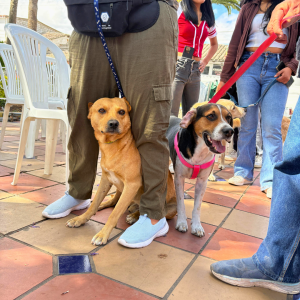
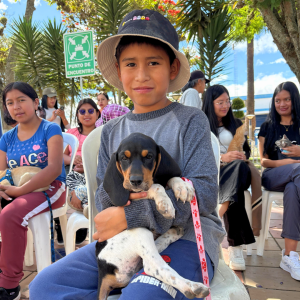
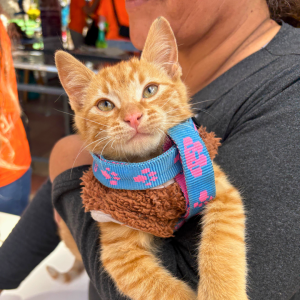
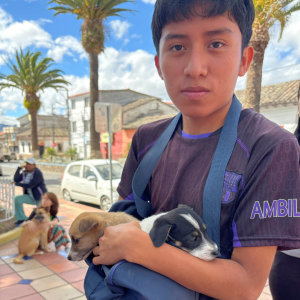
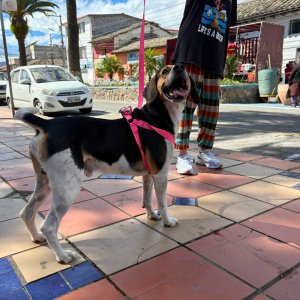
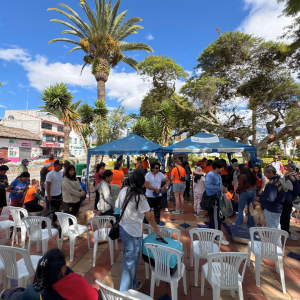
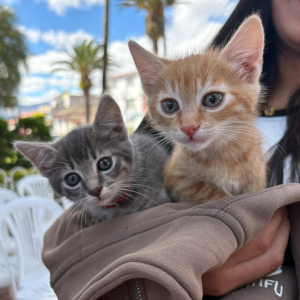
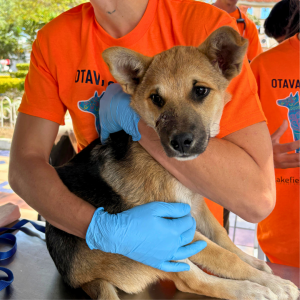

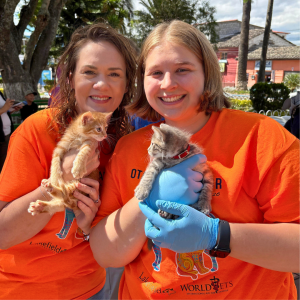
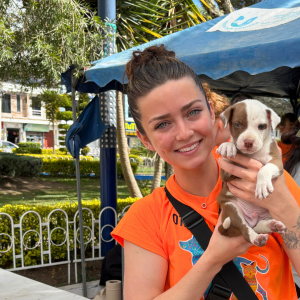
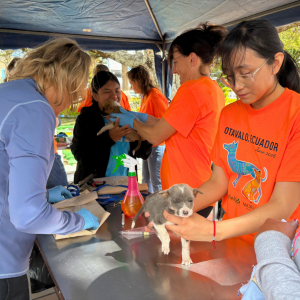
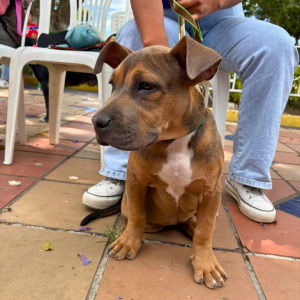
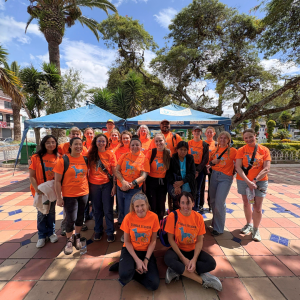
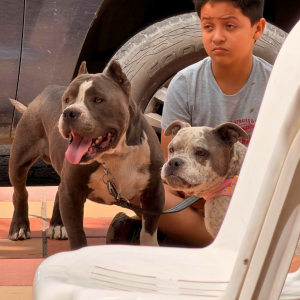
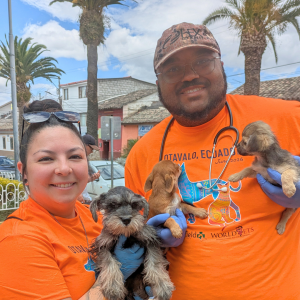
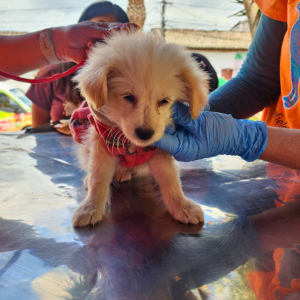

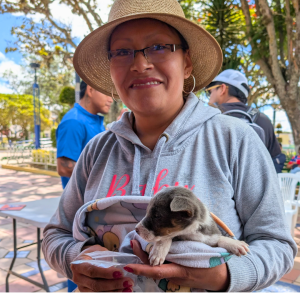
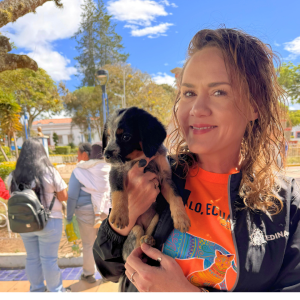
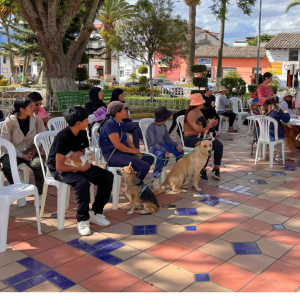
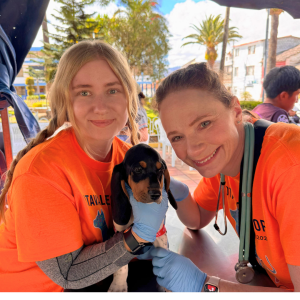
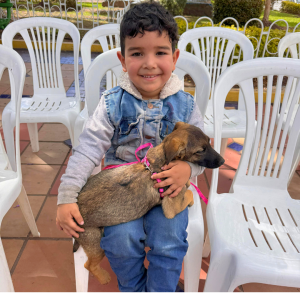
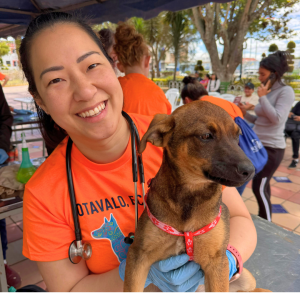

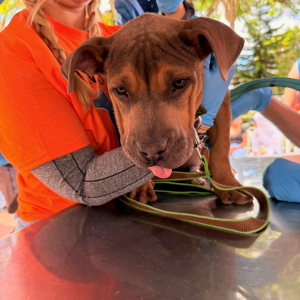
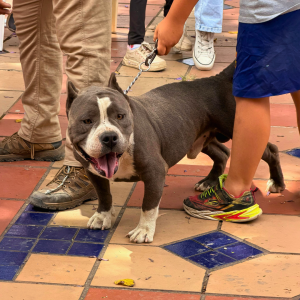
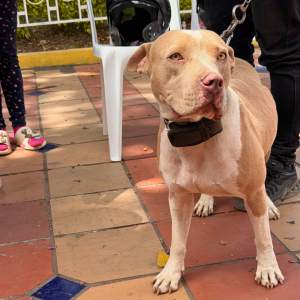
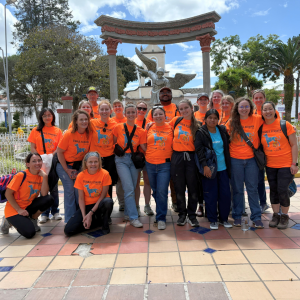
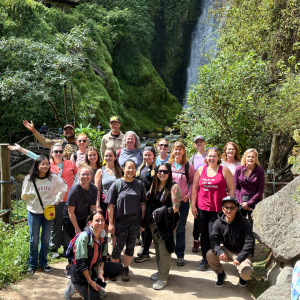

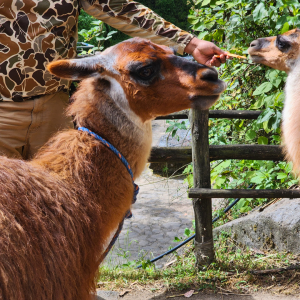
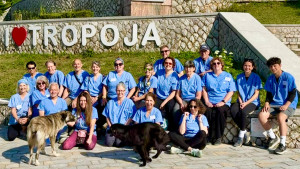
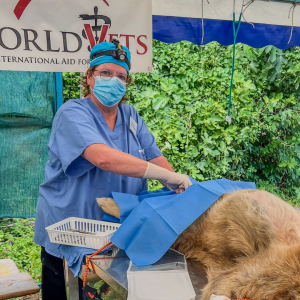
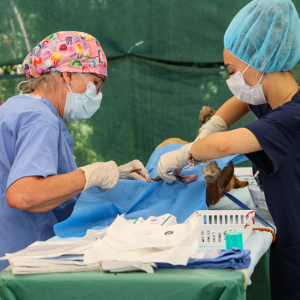
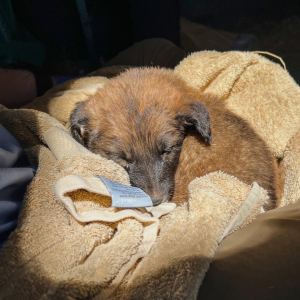
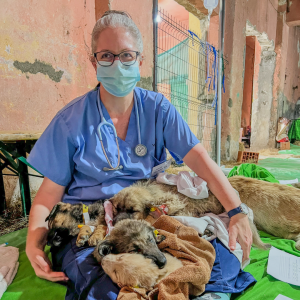
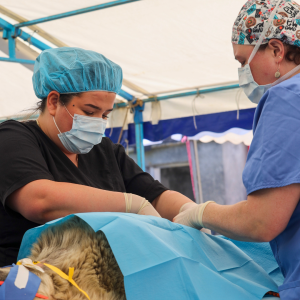
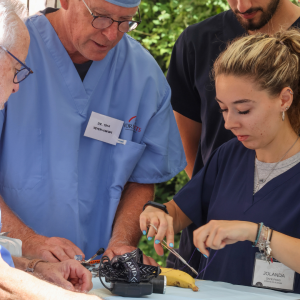
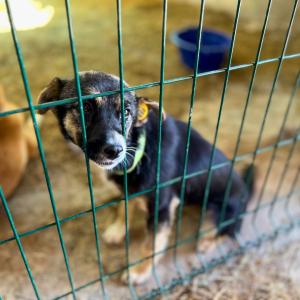
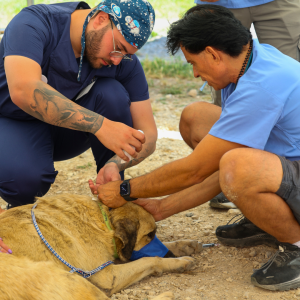
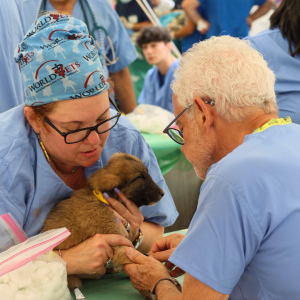
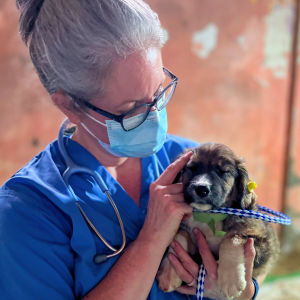
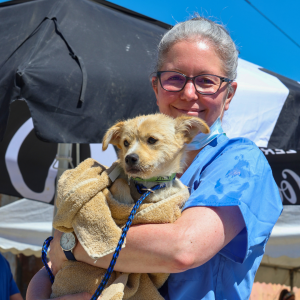
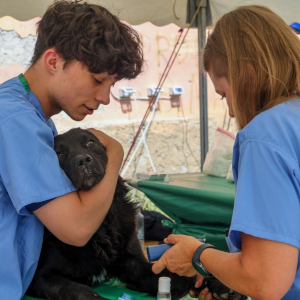

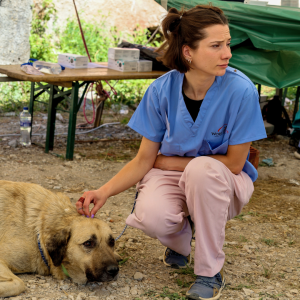

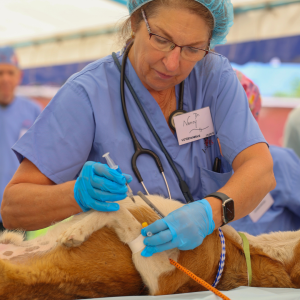
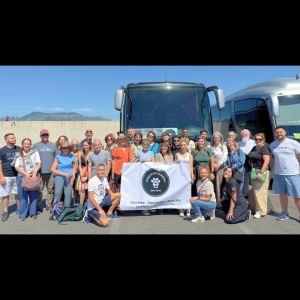
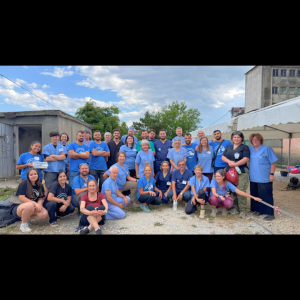
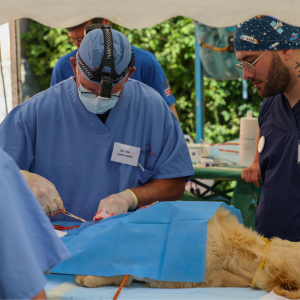
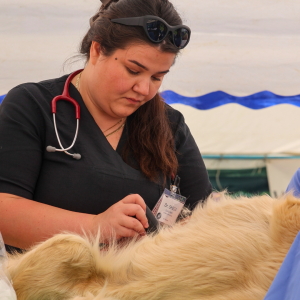


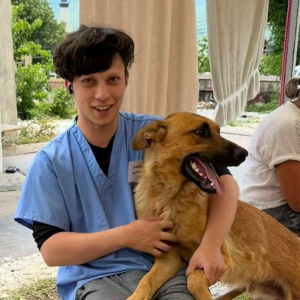

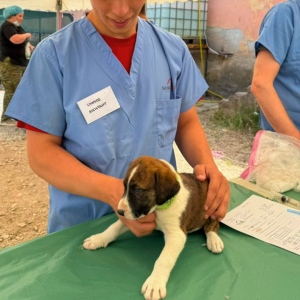

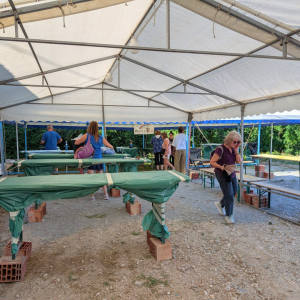
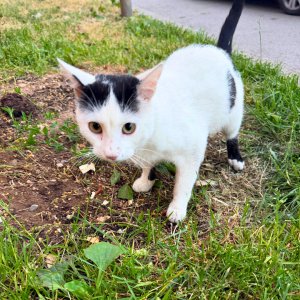
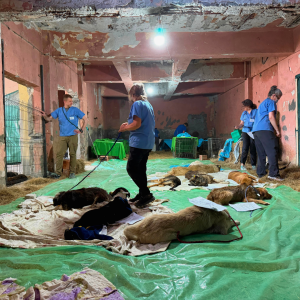
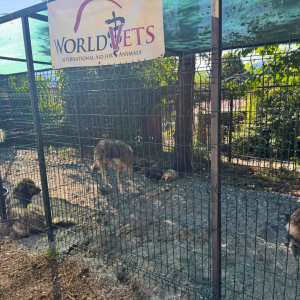
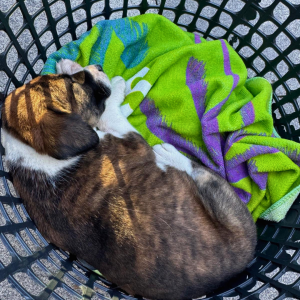
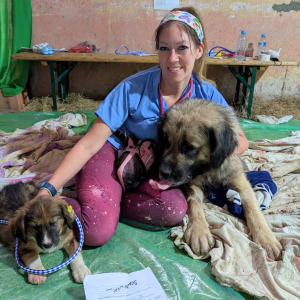
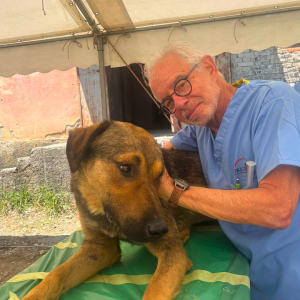
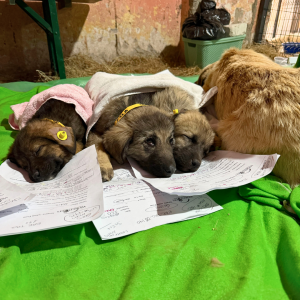
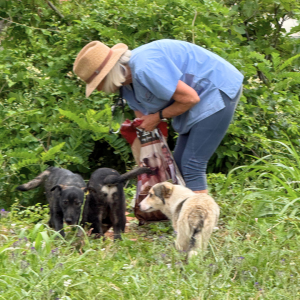
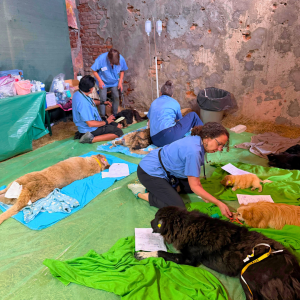
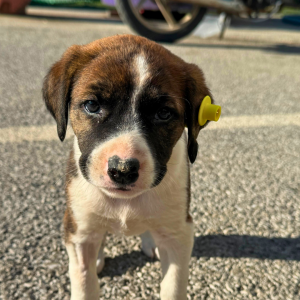
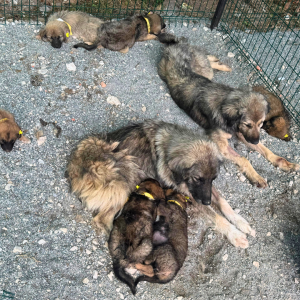
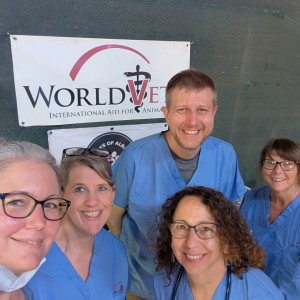
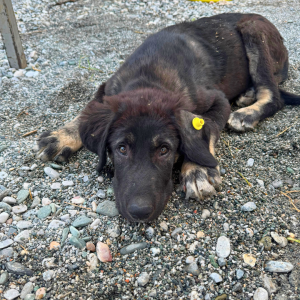
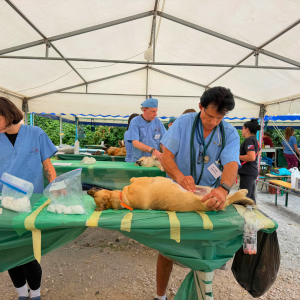

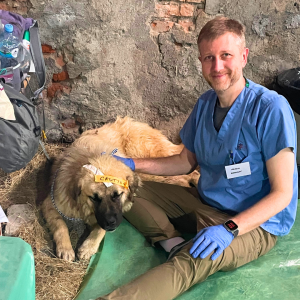
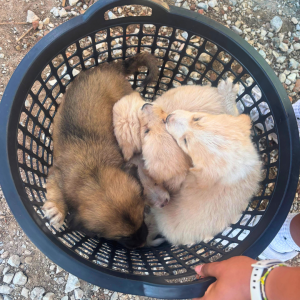
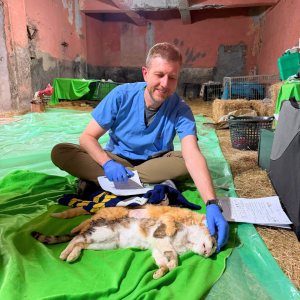

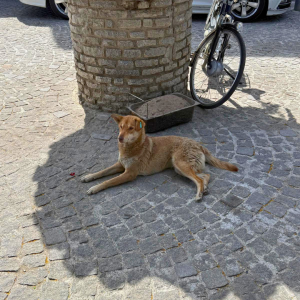

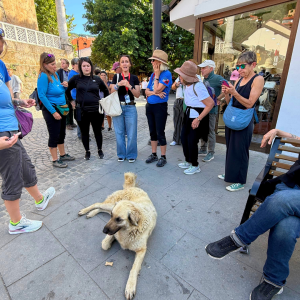
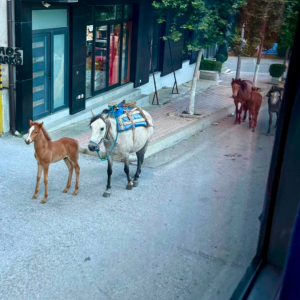
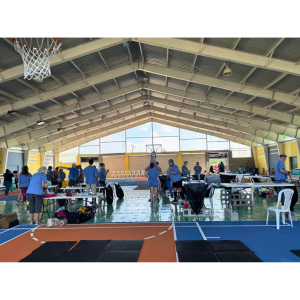
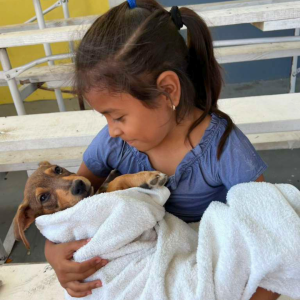 World Vets completed its first small animal campaign in Corozal, Belize this week and sterilized over 300 cats and dogs! World Vets is privileged to provide veterinary care and compassion to animals in need around the world, as we help reduce overpopulation and improve the health and wellbeing of animals in communities like this one.
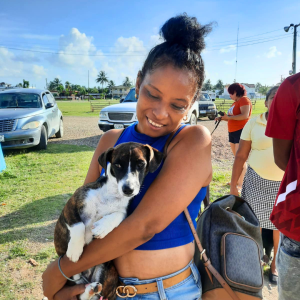
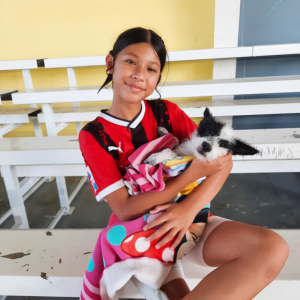
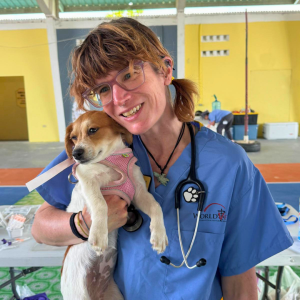
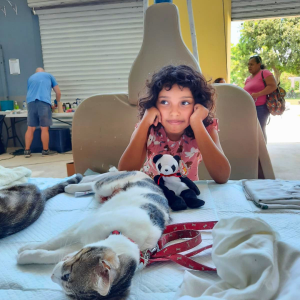
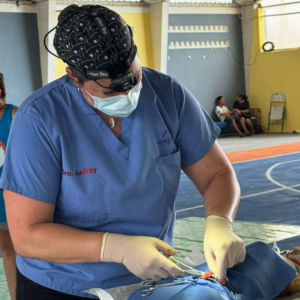
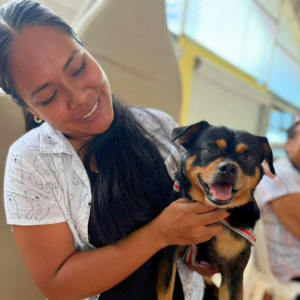
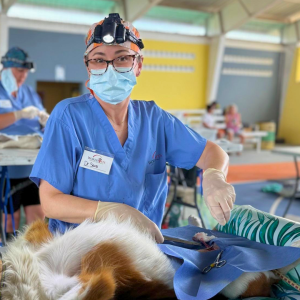
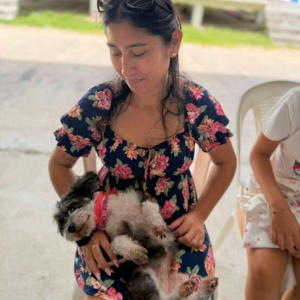
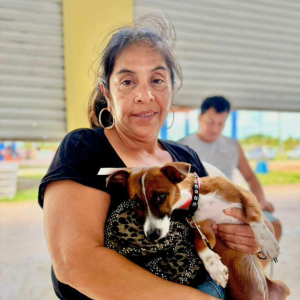
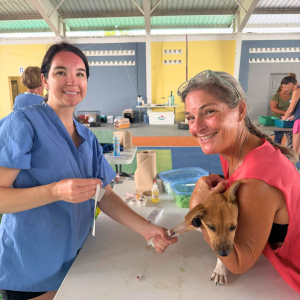
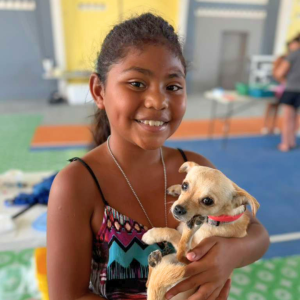
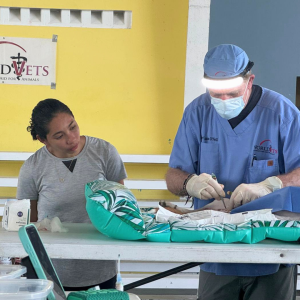

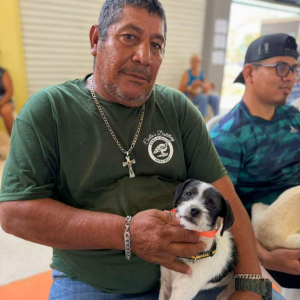
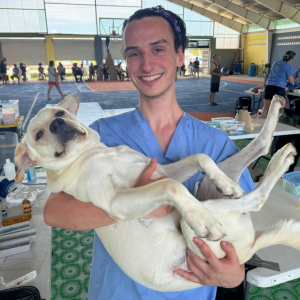
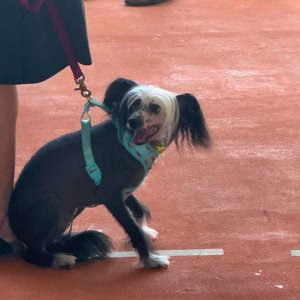
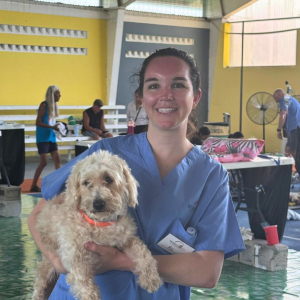
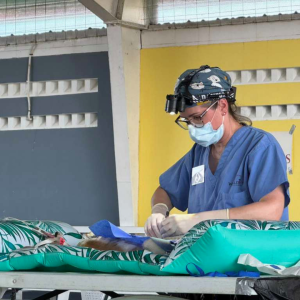
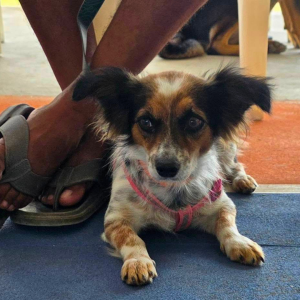
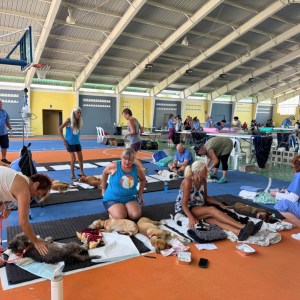
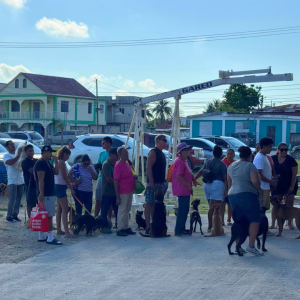
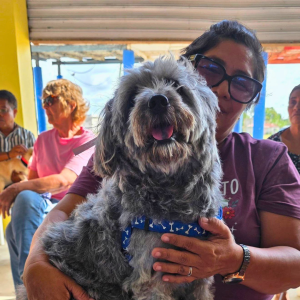
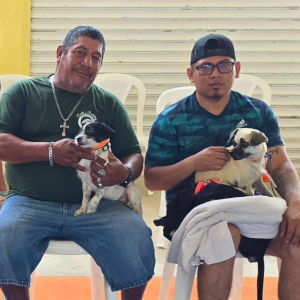
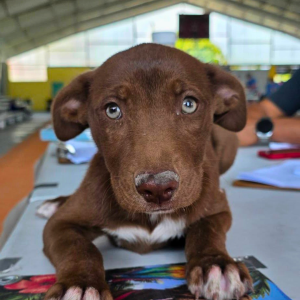
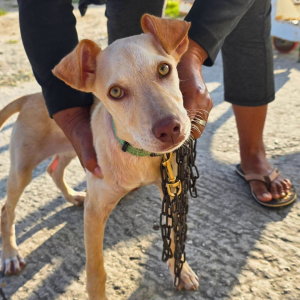
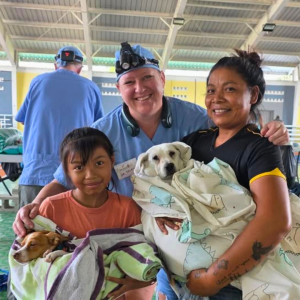
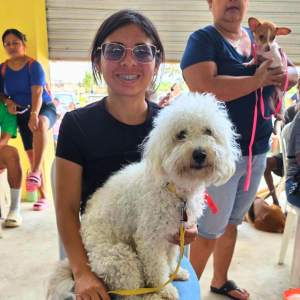
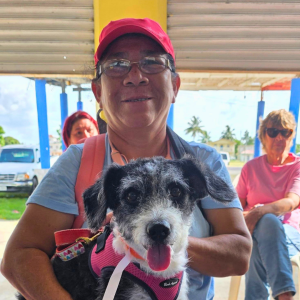
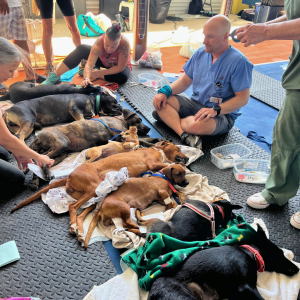

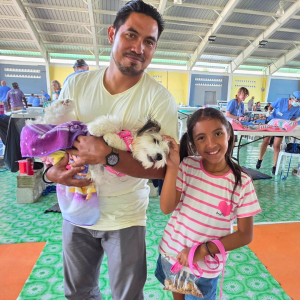
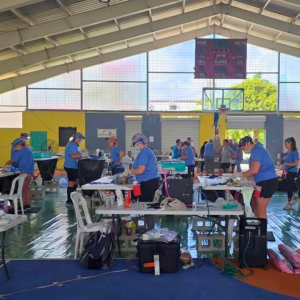
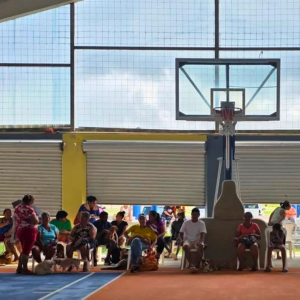
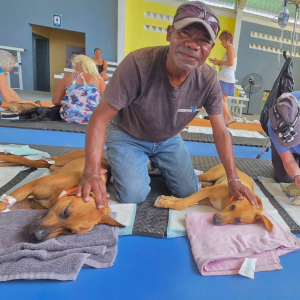
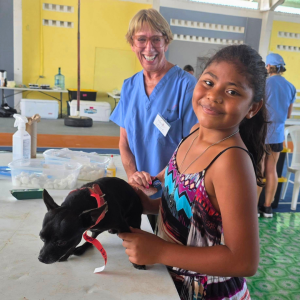
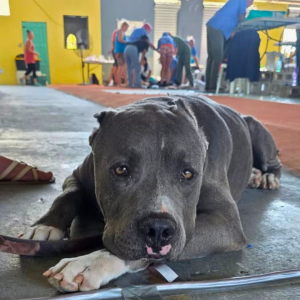
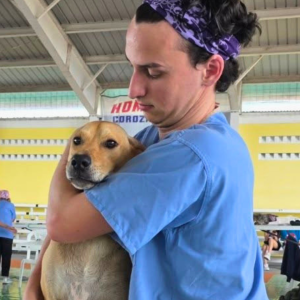

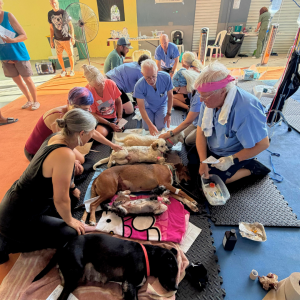
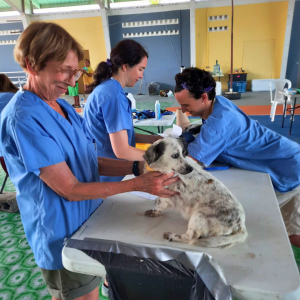
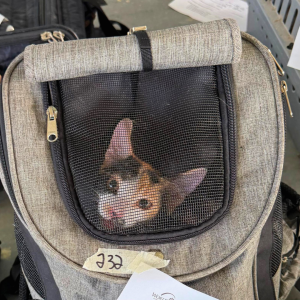
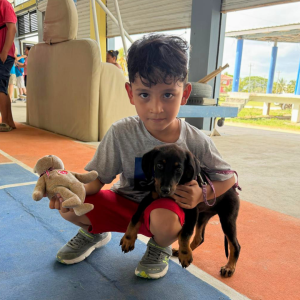
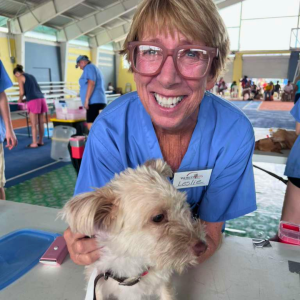
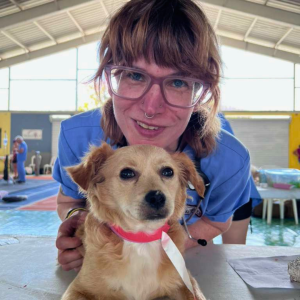
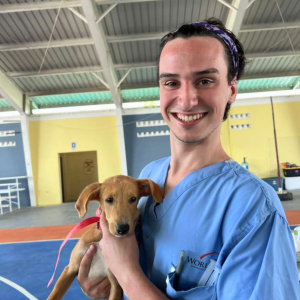
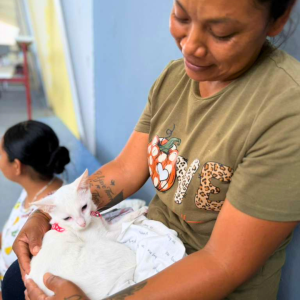
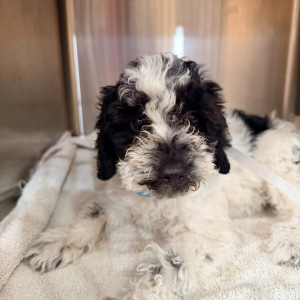
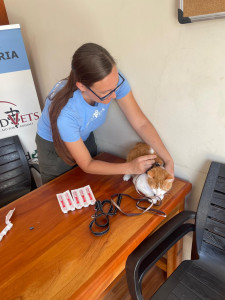 Since opening its veterinary clinic on San Cristóbal Island, World Vets has provided care for nearly 7,000 dogs and cats on the island, including thousands of spay/neuter surgeries that have improved animal health and helped manage the local pet population. In addition to surgery, every patient receives a comprehensive health examination and preventive care to help keep pets healthy long after they leave the clinic.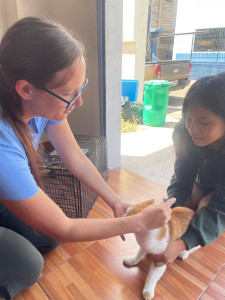
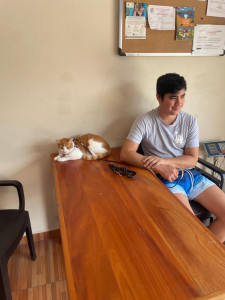
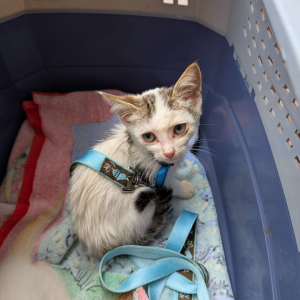
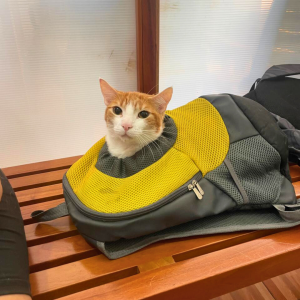
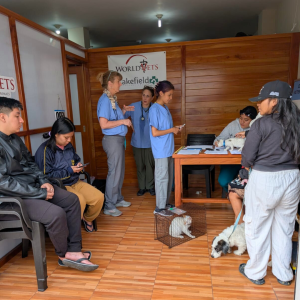
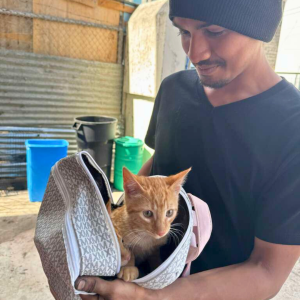
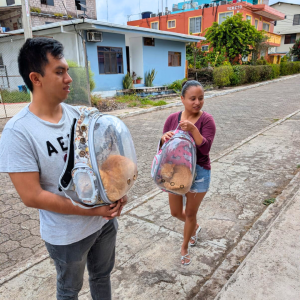
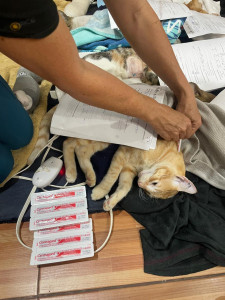
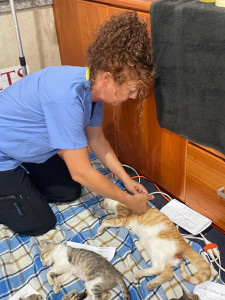
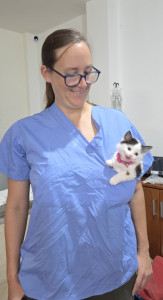
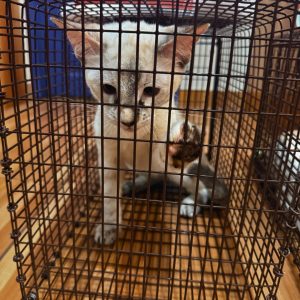
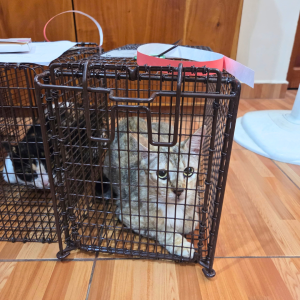
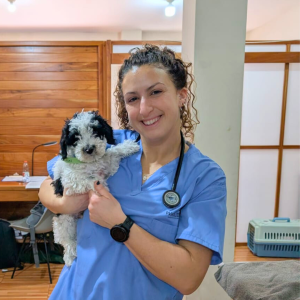 World Vets has been delivering free veterinary services for pets on San Cristobal Island for the last four years, with thousands of patient visits. Last week was our 18th intensive spay-and-neuter campaign in Galapagos, which provided sterilization surgeries for dogs and cats (including feral felines), health exams, dental prophylaxis, deworming, and a range of additional procedures.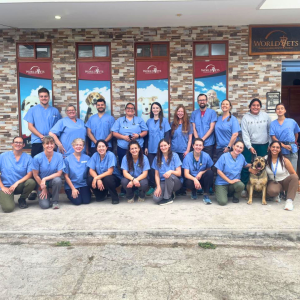
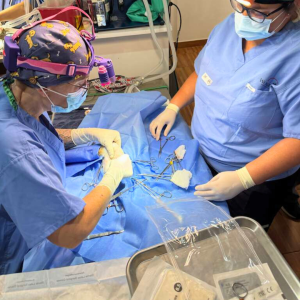
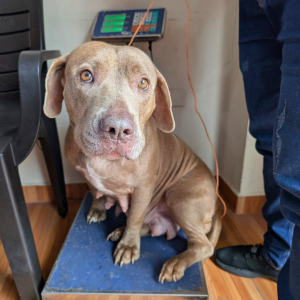
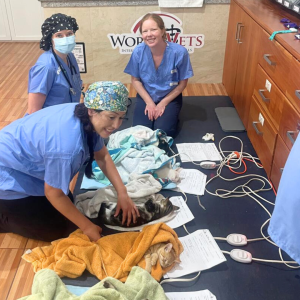
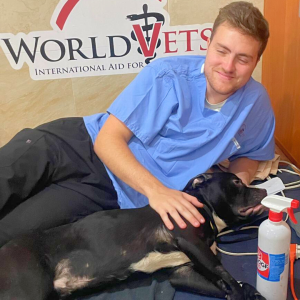
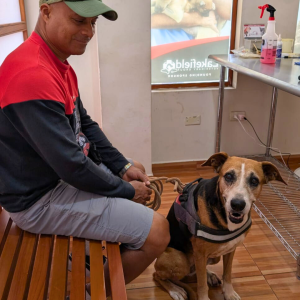
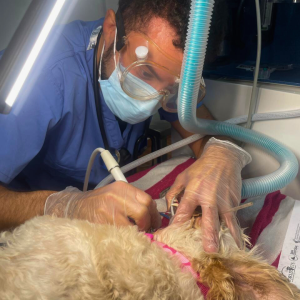
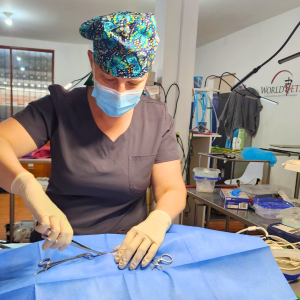
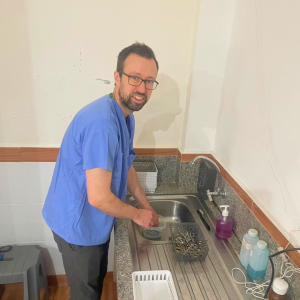
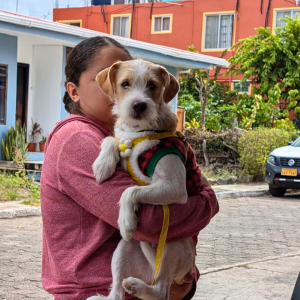
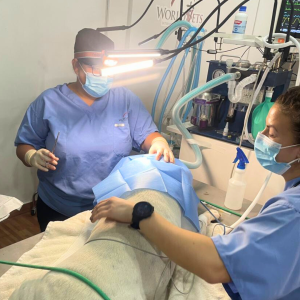
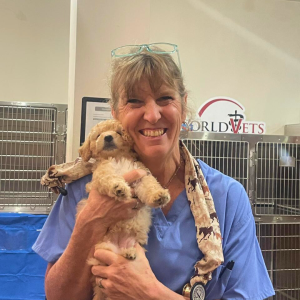
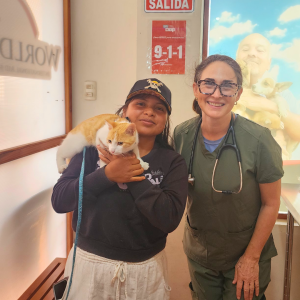
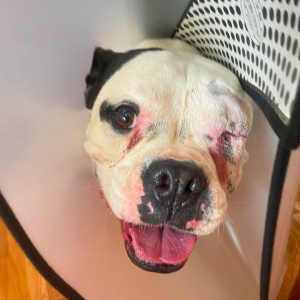
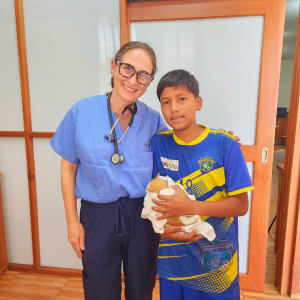
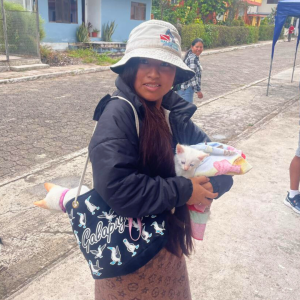
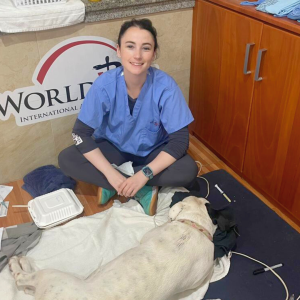
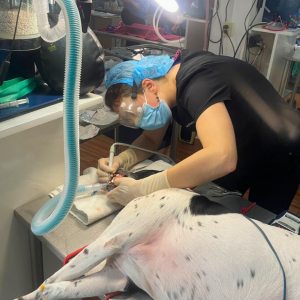
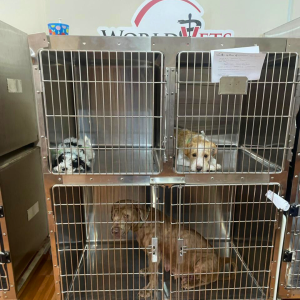
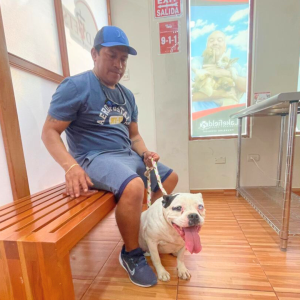

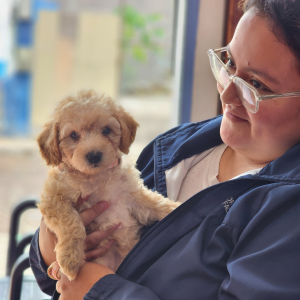
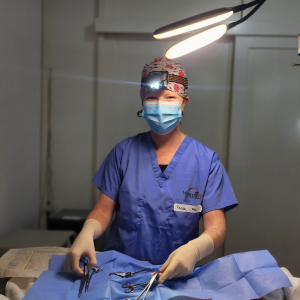
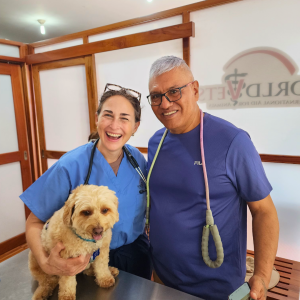
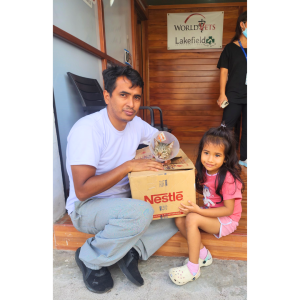
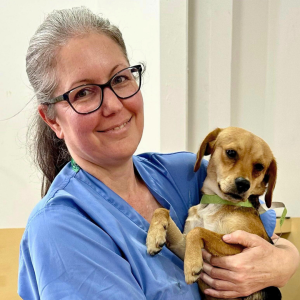 World Vets completed another successful animal campaign last week, sterilizing 337 cats and dogs in Otavalo, Ecuador! Our volunteer team provided spay-and-neuter services, as well as health consultations, parasite control, and other veterinary care for the local pet population. World Vets sends appreciation to our long-time partner Bienstar Animal Imbabura (BAI) for their valuable collaboration in this recent event and their continued partnership over the last 16 years. We also give our gratitude to the volunteer teams and faithful allies and donors who support World Vets’ mission to improve the lives of animals around the globe.