Featured

Galapagos Rapid Response Video Stories

Galapagos Rapid Response Video Stories

World Vets works together with the Galapagos National Park Rapid Response Program to respond 24/7 to injured wildlife on San Cristobal Island. While most of our cases involve sea lions, World Vets and the Rapid Response Team are equipped to handle all kinds of wildlife emergencies. This yellow warbler, struck by a car, was admitted to the wildlife hospital for evaluation and safely released once it was strong enough to fly again.

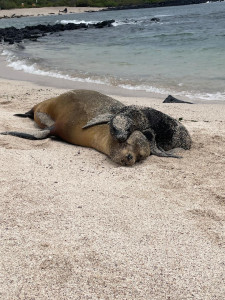
World Vets carries out this work under an official agreement with the Galapagos National Park. Together, our teams respond to more than 650 wildlife emergencies each year in the Galapagos Islands. Sea lions often get caught in marine debris or fishing gear, which can become wrapped around their necks, bodies, or flippers. Below are two videos showing sea lions being freed from these entanglements, allowing them to return safely to the wild.

World Vets and the National Park recently welcomed a group of local Galapagos students to the wildlife rescue center as part of the Park’s environmental education program. During their visit, the students toured the facilities, learned about the specialized tools and equipment used to safeguard Galapagos wildlife, and even practiced simulated sea lion rescues on the beach.

Engaging the public—especially young people—in conservation fosters awareness, responsibility, and active participation in the vital mission of protecting wildlife and preserving our planet.

World Vets is grateful to the SeaWorld Conservation Fund and our other generous donors who make this important work possible.

Volunteers Making a Difference in Galapagos

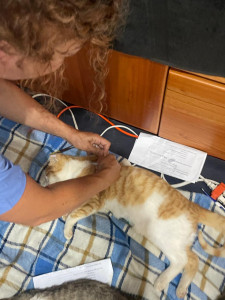
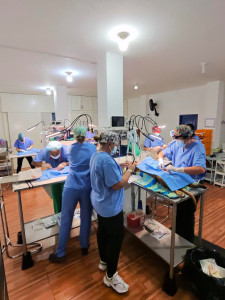
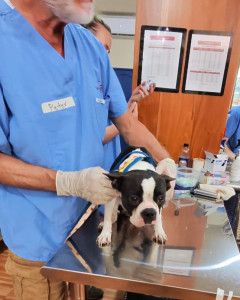
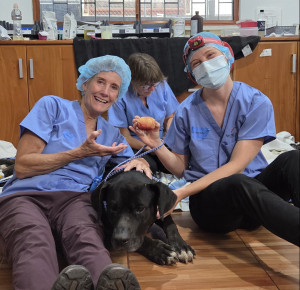
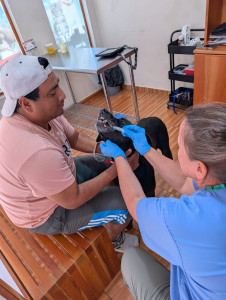
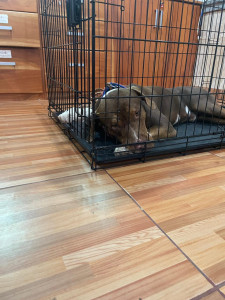
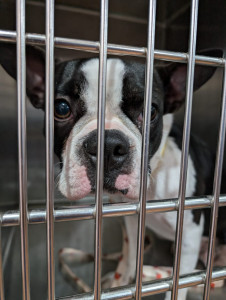
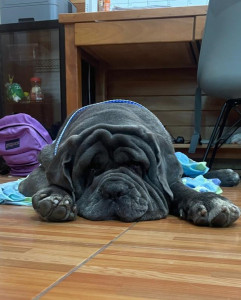
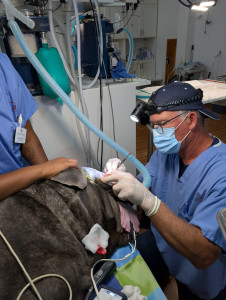
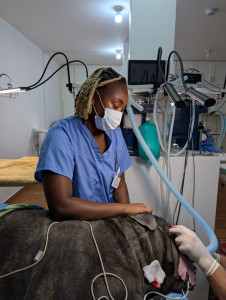
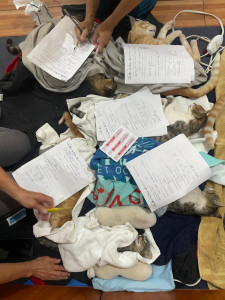
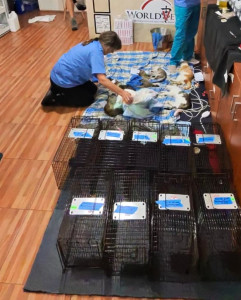
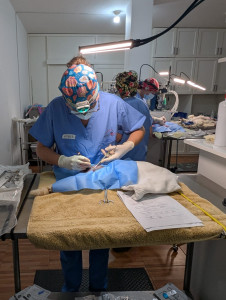
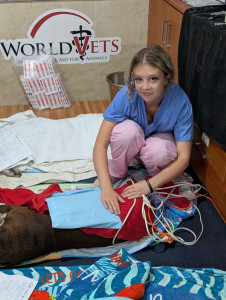
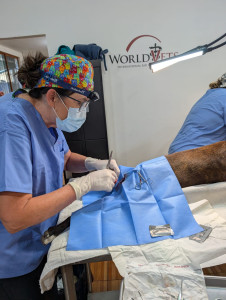
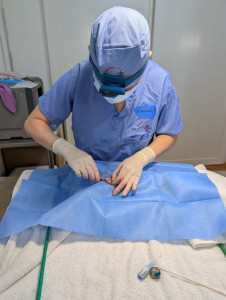
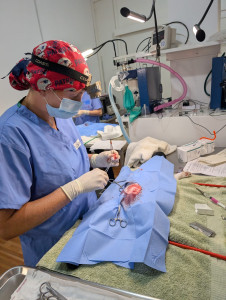
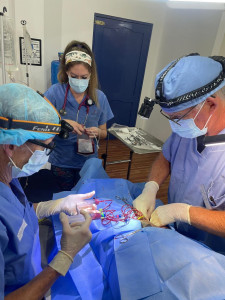
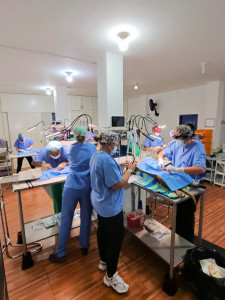
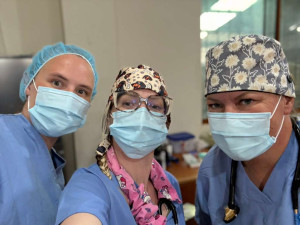
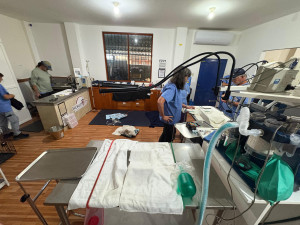
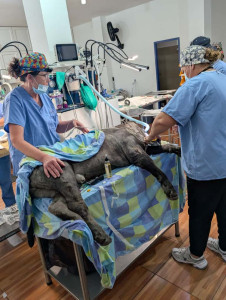
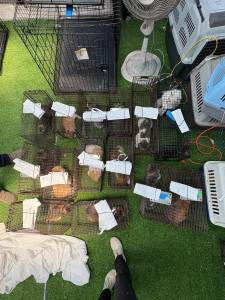
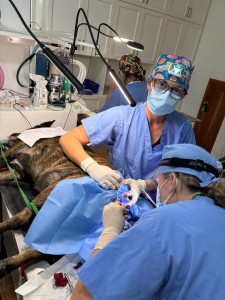
WhatsApp Image 2025-09-24 at 19.17.36_a904e9c2172 animals helped at our Galapagos campaign last week! At the World Vets clinic on San Cristóbal Island, volunteers provided free veterinary care to local pets, including 127 spay/neuter surgeries, 34 medical consultations, and a number of other surgeries and complex procedures, including the surgical removal of bladder stone the size of a baseball from a dog!  This is life-changing care for animals and critically important work to help not only pets but the many endangered wildlife on the islands.   Shout out to our dedicated volunteers, donors, supporters, and staff who have helped make last week’s campaign a great success.

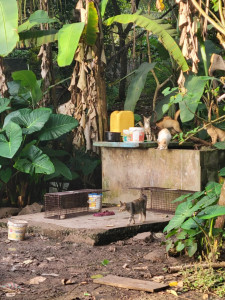
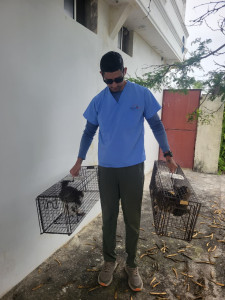
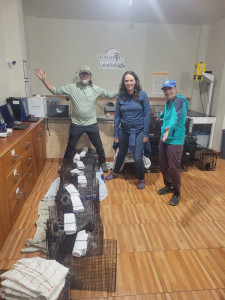
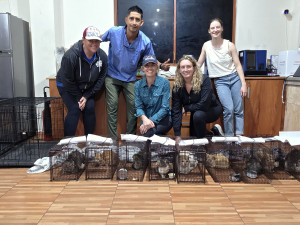
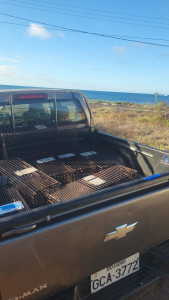
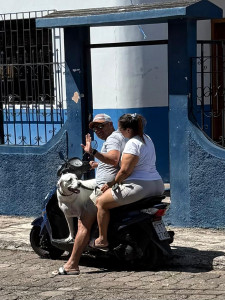
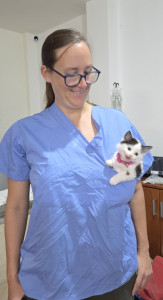
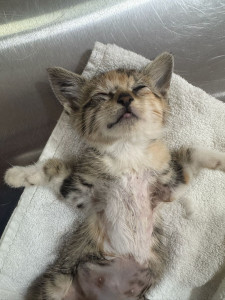
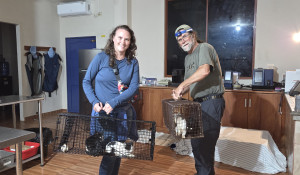
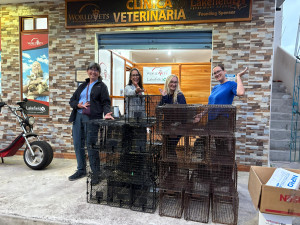
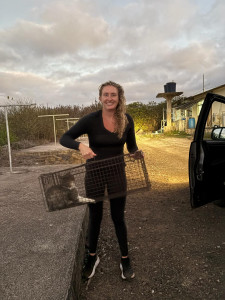
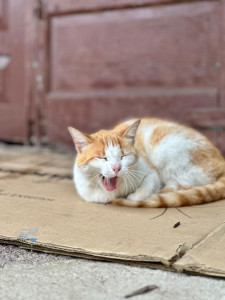
We congratulate the responsible pet owners who bring their pets to these clinics to get them sterilized and keep them healthy. Their dedication is especially important in Galapagos, where introduced species can threaten the islands’ delicate ecosystems and native wildlife.  Alongside caring for owned pets, our team is also committed to managing stray populations in a humane way. During the campaign, the World Vets team trapped and sterilized 44 feral cats and provided comprehensive treatments for internal and external parasites.
Big thanks to the ongoing collaboration of GAD Municipal de San Cristóbal Galápagos and  Agencia de Bioseguridad para Galápagos (ABG) whose partnership and support are critical to the success of the program.

WhatsApp Image 2025-09-25 at 13.04.11_9c014f8f

Caring for Galápagos Pets

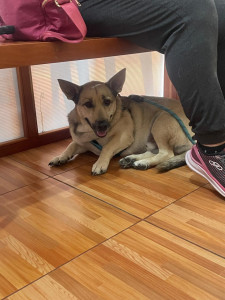
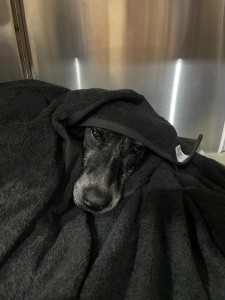
WhatsApp Image 2025-01-28 at 11.18.03_d88d8d03World Vets remains committed to the health and well-being of the dogs and cats of San Cristobal Island by providing ongoing veterinary care to the community. Since opening its small animal clinic in 2021, the organization has treated over 5,000 pets free of charge, including 1,500 patients last year alone.

In 2025, the clinic has already cared for hundreds of animals, addressing illnesses, injuries, parasite control, and other treatments. In addition we have multiple sterilization campaigns scheduled this year, with one happening this week,  reinforcing our commitment to responsible pet ownership and the protection of endemic wildlife in the Galápagos.


Key Donation Strengthening Wildlife Protection in Galápagos

Truck Donation FB-12-19-25 (3)San Cristóbal, Galápagos – World Vets has reinforced its Galapagos conservation efforts with a major donation to the Galápagos National Park Directorate (DPNG) aimed at enhancing wildlife protection on San Cristóbal Island.  Dr Cathy King, CEO of World Vets was there to make the presentation to speak to the audience of local authorities, park rangers  and members of the community about the important work being done.  In 2024, World Vets responded to over 650 wildlife cases and continues the work into 2025 with a veterinary team available 24/7 to respond to wildlife emergencies on San Cristobal Island.

The donation included a 4×4 truck, made possible with financial support from the SeaWorld Conservation Fund, and a zodiac boat with an engine, via contributions made in memory of Joan Wattles. These resources will significantly improve the park’s Rapid Response Network of which World Vets is the partner NGO, ensuring faster response times to both land and sea incidents.  We thank these generous donors for supporting this important work to build the capacity for wildlife rescue and response in Galapagos.  These important donations enhance the Wildlife Rescue Center built by World Vets in 2024 (with support from SeaWorld Conservation Fund)  which serves as the central hub for wildlife rescue on San Cristobal Island.

This initiative is part of a broader cooperation agreement between DPNG and World Vets, highlighting the power of international partnerships in preserving the Galápagos’ unique biodiversity.


Surgeries on San Cristobal

462530592_10232336763777206_1730834739553240924_n-CathyAnother successful sterilization campaign on San Cristobal Island provided 156 spay-and-neuter surgeries for cats and dogs. Over 217 animals were provided with free veterinary services, including 58 health checkups, parasite prevention, and various other treatments. World Vets’ team of volunteers from the U.S. helped deliver this important veterinary care to the pets of Galapagos, all at zero-cost to local pet owners.

We are grateful for the local collaboration with GAD Municipal de San Cristóbal Galápagos, Animal Balance, and Agencia de Bioseguridad para Galápagos who help make these sterilization clinics and veterinary services accessible to Galapagos residents. Thanks to all of our supporters worldwide whose contributions to World Vets’ programs benefit thousands of animals every year.


Photo credits to Donna Ortiz, Rachel Bryan, EJ Verble, Emily Badillo, Ryan Hammonds, and Allison Allan.

GRAND OPENING! Galapagos Wildlife Rescue Center Officially Completed!

We are very proud to announce that World Vets, together with the Galápagos National Park, officially opened the Galapagos Wildlife Rescue Center last week! Located on San Cristobal Island, it is the first and only rescue center on the island, which is the capital of Galapagos. The grand opening was attended by Dr. Arturo Izurieta, Director of the Galápagos National Park, Dr Cathy King, Executive Director of World Vets and other local authorities, the community and staff of both institutions.

World Vets works together with the Galápagos National Park Rapid Response Network, providing 24/7 response for injured wildlife of all species. In the last year, our veterinary team, together with Park Rangers, responded to over 400 wildlife cases on the island. About 70% of the cases involved Galápagos sea lions, which are classified as an endangered species.

The new center will greatly improve the capacity to help wildlife and includes areas for surgery, diagnostic imaging, office, treatment area, laboratory, animal holding pens and necropsy/pathology laboratory. It is equipped with digital x-ray, ultrasound, gas anesthesia, oxygen concentrator, bloodwork machines, laboratory, intensive care unit for birds and reptiles, multi-parameter monitors, computer workstations and Starlink high speed internet.

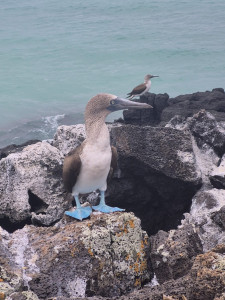
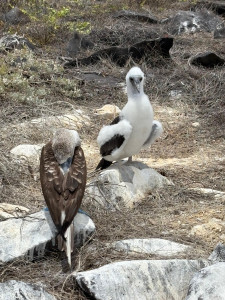
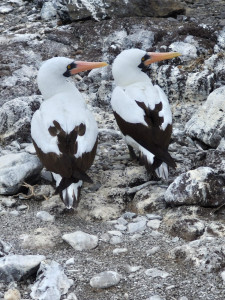
San Cristobal is the home to a diverse population of iconic species such as Galápagos sea lions, giant tortoises, sea turtles, marine iguanas, Blue Footed Booby and much more. We are proud to work together with the Galápagos National Park in these ongoing efforts to improve the long-term capacity for veterinary support and wildlife response to help protect the biodiversity of the islands.

This is the first phase of a multi-phase project. We are very grateful for the funding support from the SeaWorld Conservation Fund and donations made in memory of Dr. Jerry Brown and Joan Wattles, which helped make this dream a reality.

With Thanks to Major Donors:

SeaWorld Conservation Fund Makes Multi-Year Grant to World Vets to Help Build Largest Capacity for Marine Animal Rescue on San Cristobal Island in the Galápagos


The SeaWorld Conservation Fund recently announced a multi-year grant  to help World Vets build the largest capacity for marine animal rescue on San Cristobal Island in the Galápagos, in collaboration with the Galápagos National Park. The funds will improve the infrastructure of the existing small facility used for wildlife response, build additional capacity for responding to and rescuing sick, injured, and entangled marine animals and other wildlife of the Galápagos Islands, and enable the study and baseline health monitoring of native species. Priority species will primarily be marine mammals, especially Galápagos sea lions and will also include Galápagos fur seals, dolphins, whales, sea turtles, Galápagos penguins, marine iguanas, and other native and endemic wildlife of the archipelago. The Galápagos has many species of animals not found anywhere else in the world and is a United Nations World Heritage Site protected by an international convention administered by the United Nations Educational, Scientific and Cultural Organization.

“We are very grateful to the SeaWorld Conservation Fund for their support which will help us fill a critical need in the Galapagos Islands, providing long-term and foundational capacity building and consistent veterinary support for marine species and other wildlife,” said Dr. Cathy King, Founder and CEO of World Vets and a conservation medicine veterinarian. “The many endangered and threatened wildlife species of the archipelago need our help as they face significant threats from climate change, introduced species, plastics pollution, and interactions with a growing human population. With this funding and our collaboration with the Galápagos National Park, we can have an even greater positive impact on the conservation of marine life.”

Specific project goals and objectives that will be made possible by the funding include:

  • Facility upgrades for expanded veterinary services and short-term hospitalization, treatment, clinical care and field response. The grant will also make it possible to provide full-time veterinary staffing and 24×7 field responder coverage and availability.
  • Improved data collection, identification, and recovery of animals. A new data collection app will be developed for use by field responders, veterinarians, park rangers and naturalist guides to facilitate and improve reporting and documentation. Public outreach to improve the identification and reporting of animals in distress, as well as routine beach surveys and drone surveys to spot and remotely evaluate animals in need will be included.
  • Documenting and monitoring health trends, unusual mortality events and disease outbreaks. The funds will help facilitate more routine post-mortem examinations and to disseminate information on outcomes and any emerging health and disease trends.

Dr. Chris Dold, President of the SeaWorld Conservation Fund and Chief Zoological Officer of SeaWorld said, “At SeaWorld, we believe that marine animal rescue is a key tool for the conservation of marine species, and we are proud to help World Vets develop the added capacity they need to expand their important work. The rescue and rehabilitation of all species, both those living in abundant numbers and those deemed vulnerable or threatened, gives us and other marine health practitioners invaluable information about wildlife health and the diseases and threats present in the ocean. Marine mammals are sentinels for the health of the ocean and by caring for them we improve our ability to protect and preserve animals and their ocean environment today and into the future.”

All work will be done in collaboration with and under the direction of the Galápagos National Park. The Galápagos Islands are located on the equator, 600 miles off the coast of Ecuador. The Islands are a UNESCO World Heritage Site, an area legally protected by an international convention administered by the United Nations Educational, Scientific and Cultural Organization.

The public can help support funding of projects like this one by making a SeaWorld Conservation Fund donation online or in the SeaWorld parks. Since inception in 2003, the SeaWorld Conservation Fund has provided more than $20 million in grants to provide financial and scientific support to 1,391 different animal conservation and ecosystem projects on all seven continents.

About World Vets

One of two major focus areas for the World Vets program in Galápagos is developing the capacity for rescue, response, and veterinary services for sick, injured, entangled and dead marine animals and other native wildlife, especially in cases of human interaction. Efforts also contribute to research and conservation efforts for native wildlife species, especially the endangered Galápagos sea lions which are a primary focus.

World Vets was established more than two decades ago years ago as an international veterinary aid organization, bringing veterinary expertise, capacity building and direct care for animals to underserved areas of the world. Since then, World Vets has worked extensively in over 50 countries on 6 continents, has responded to major international disasters, has deployed numerous veterinary teams on US military humanitarian aid missions aboard US Navy hospital ships, has provided care that has benefitted over a million animals and has provided training in surgery and anesthesia techniques to over 1100 veterinarians from developing countries.

World Vets has an established presence in the Galápagos Islands and extensive experience in international development, marine mammal stranding response, rapid program implementation in challenging locations and over two decades of successful veterinary aid work in developing regions, especially Latin American countries.

About the SeaWorld Conservation Fund

Established in 2003, the SeaWorld Conservation Fund is a 501(c)(3) non-profit private foundation that supports grassroots conservation projects that make a difference in species research, habitat protection, conservation education, and animal rescue and rehabilitation. It has provided more than $20 million in grants to provide financial and scientific support to 1,391 different marine and land-based animal conservation and ecosystem projects on all seven continents. More than 100 different species have been helped through these grants. Funding comes through a variety of sources including contributions by SeaWorld’s corporate entity, SeaWorld Entertainment, and from the parks via roundups at the register, merchandise sales, and special events. Corporate partners contribute to the Fund, and consumers can support the cause by making donations in the parks or online. SeaWorld Entertainment, Inc. covers all expenses and overhead for the Fund. This enables it to return 100 percent of every penny donated directly to the projects supported. Grant applications are accepted annually, though 2022-2023 grant applications are by invitation only. Both one-time and multi-year support is provided for recipient organizations.

2021_SW_Conservation Fund Logo-FullRGB


World Vets Announces Iconic Project for Wildlife of the Galápagos Islands

World Vets marks significant milestone in efforts to protect critically endangered wildlife of the Galápagos Islands.

IMG_1636 2

Dr Cathy King, CEO of World Vets and Danny Rueda Córdova, Director of the Galápagos National Park, cut the ribbon to place the first stone for the new Wildlife Rescue and Conservation Center on the Galápagos Islands. (San Cristobal Island,Galápagos)

Last week, World Vets and the Galápagos National Park signed a landmark cooperation agreement for the construction of a Wildlife Rescue, Response, Rehabilitation and Conservation Center on San Cristobal Island, home to the largest population of Galápagos sea lions in the archipelago. As part of a larger agreement, World Vets will also provide permanent veterinary support to the Galápagos National Park Rapid Response Program, provide health monitoring of endemic species and contribute substantially to the conservation of critically endangered species through field response and rescue work, conservation research, foundational capacity building and public outreach and education.  The groundbreaking ceremony for this iconic project, which was attended by numerous Park Rangers, government officials, and other agency representatives, marked a significant milestone of this multi-phase project that will contribute to the conservation of the unique biodiversity of the Galápagos Islands.


Resized_20231117_104038 4

World Vets CEO Dr Cathy King (center) and Park Rangers of the Galápagos National Park

IMG_1635 2

Danny Rueda Córdova and Dr. Cathy King sign a formal agreement of cooperation between World Vets and the Galapagos National Park.


IMG_1908

The development of the Wildlife Rescue and Conservation Center will occur in two phases on adjoining properties. Phase I, underway in December 2023, will include the construction of an urgent care rescue center that will include digital radiology, ultrasound, laboratory, surgery and personnel work stations. In addition, upgrades will be made to an existing structure and sea lion holding pens to increase rescue capacity. Phase II, a full service wildlife veterinary hospital, rehabilitation center and conservation research facility (already designed), will commence following phase I and when full funding is secured.


DSC01057

World Vets is grateful to Danny Rueda Córdova (director of the Galapagos National Park) and the leadership of the San Cristobal Technical Unit (DUTSC) of the Galapagos National Park for their countless hours of collaboration that went into the development of this project over the last couple years. Pictured (left to right) Gabriel Vásquez, Rentao Herrera, Dr Cathy King, Jimmy Bolaños.


DSC01067

Recognition of Major Donors for Phase I- We are grateful for the generous support from the SeaWorld Conservation Fund and donations made in memory of Dr Jerry Brown and Joan Wattles which contribute to the Phase I Rescue Center construction, equipment, rescue work and capacity building.


If you would like to support our Wildlife Conservation and Rescue work in Galapagos you can donate through our website at www.worldvets.org  or contact us directly at .

World Vets other work in Galapagos:

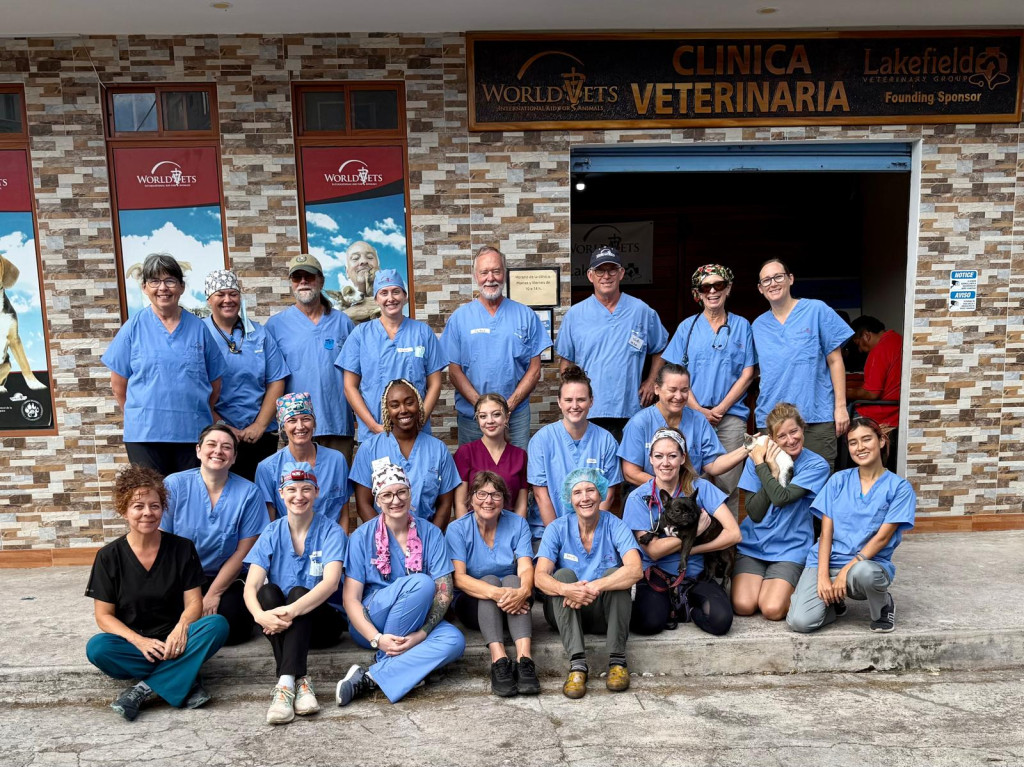
World Vets has been working in Ecuador for 15 years including the last several years on the Galápagos Islands. The Galápagos Islands is a UNESCO World Heritage Site located on the equator, 600 miles off the coast of Ecuador, with a population of over 33,000 people.  The many endangered and threatened wildlife species of the archipelago face a variety of significant threats including climate change, introduced species, plastics pollution and interactions with a growing human population.  In addition to wildlife rescue and conservation work, World Vets a operates a seperate full service veterinary hospital in Galápagos for domestic animals (opened in 2021).  The domestic animal (urban fauna) program is a collaboration with the Municipality of San Cristobal, the Biosecurity Agency of Galapagos and Founding Sponsor Lakfield Veterinary Group and is aimed at controlling the pet population through sterilization; proving critical veterinary services to keep pets healthy and to prevent the spread of disease; all in an effort to protect wildlife while providing a critical services for community members.


World Vets in Dominican Republic- 385 Surgeries

402210764_10159931966579021_8854682072379031247_nWorld Vets’ volunteers returned from the Dominican Republic last week after 3 consecutive days of spay and neuter surgeries and veterinary checkups for pets of the Punta Cana community. The World Vets team, in collaboration with Dogs and Cats of the Dominican Republic and their local vet volunteers, performed 385 successful sterilizations, free-of-charge for local pets and their owners. Animals also received rabies vaccinations provided by the country’s government, and some received various other crucial surgeries and/or health treatments. Thanks goes to the volunteers for their skill, professionalism, and dedication to helping so many animals. Thanks also to Mark and Debbie Diekmann and Sylvia Mendez of DCDR, and to the many supporters who provided their time, donated water and snacks, and everyone who came together to help make this campaign a success.


Helping Pets in Ecuador for 14+ Years

Ecuador2023 - Lakefield (24)At the start of this month, World Vets completed a large-scale sterilization campaign in the town of Otavalo, Ecuador. Partnering with local group Bienstar Animal Imbabura (BAI) and the Lakefield Veterinary Group, World Vets’ volunteers performed 305 surgeries in 3 days! The team also provided no-cost veterinary consultations and treatments for other animal health issues and participated in a Friday outreach. The community outreach in Ibarra provided animal check-ups, deworming, flea and tick treatment, and other preventative care for 239 animals. All services were offered free of charge to the local community.
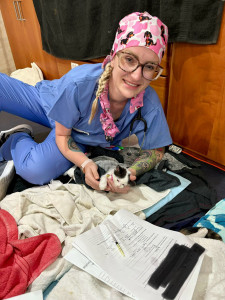
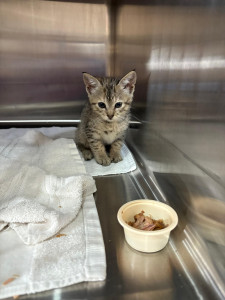
World Vets has been working together with BAI for over 14 years in a wonderful partnership that has helped tens of thousands of dogs and cats in northern Ecuador. World Vets’ long-standing partnership with BAI and the generous sponsorship from LVG, as well as the contribution of the volunteers, provided a positive outcome for the recent campaign. We also appreciated the local support and collaboration with the Alcaldia Ciudadana de Otavalo and the mayor of Ibarra and the Parish Council of San Antonio who all helped make this program possible. World Vets looks forward to continuing to help animals in different regions of Ecuador and other countries around the world.


1 2 3 4 5 6 7 8 9 10 11 12 13 14 15 16 17 18 19  Scroll to top